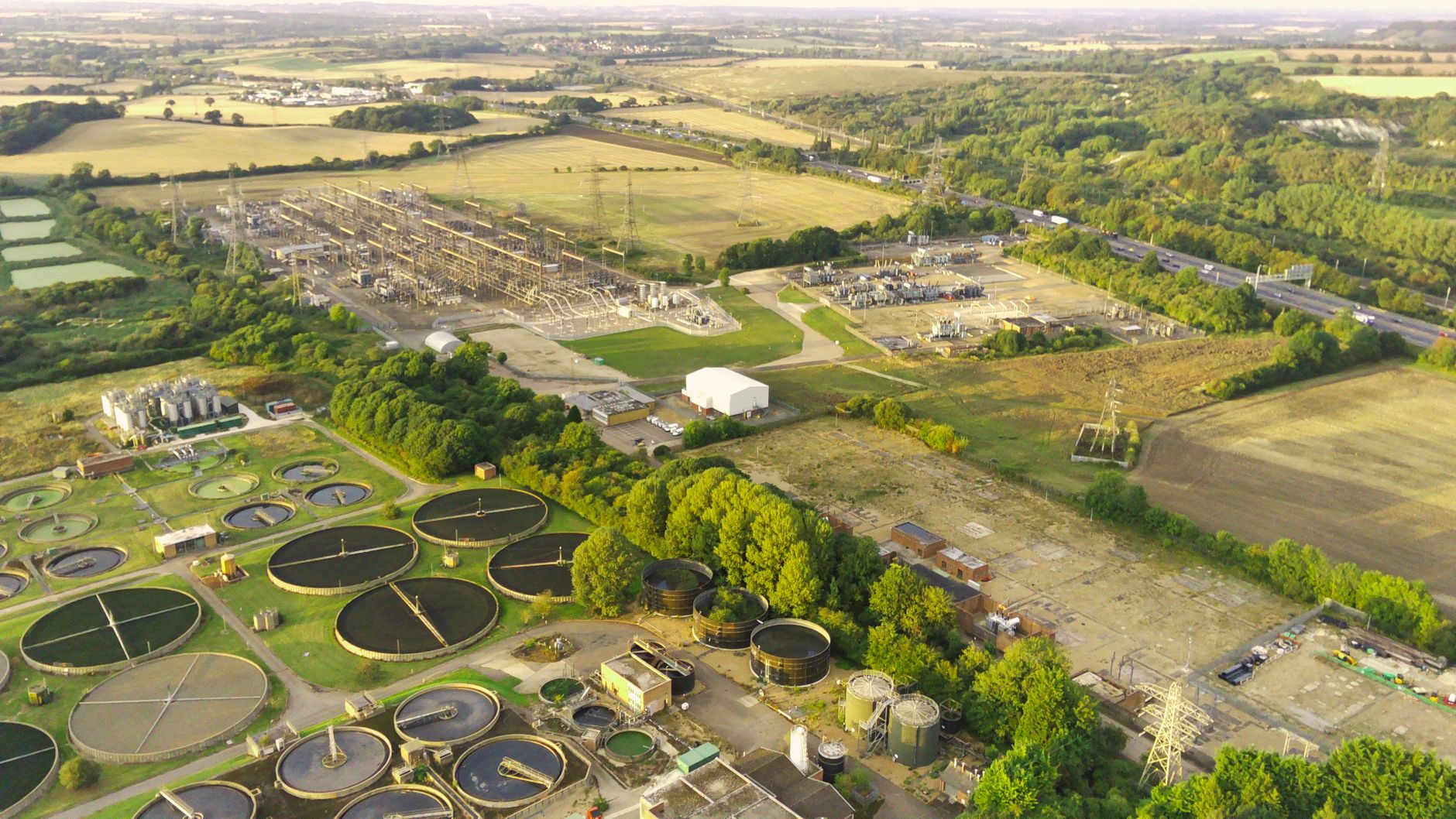
The UK's datacentre sector is facing a significant challenge in reducing its water usage, with the average datacentre consuming millions of litres of water per year. UK datacentre water usage has become a pressing concern, with many operators seeking ways to mitigate their environmental impact. As the demand for datacentre services continues to grow, it is essential to address the issue of water usage and implement sustainable practices.
Introduction to Datacentre Water Usage
Datacentres are critical infrastructure for the UK's digital economy, providing the necessary computing power and storage for businesses and individuals alike. However, the operation of these facilities requires significant amounts of energy and water, which can have a substantial impact on the environment. According to a report by the UK's Centre for Climate Change, datacentres are responsible for around 2% of the country's total electricity consumption, with a significant portion of this energy being used for cooling systems. A study by the University of Cambridge found that datacentres in the UK use approximately 2.2 billion litres of water per year, with the majority being used for cooling purposes. For more information, visit https://www.cam.ac.uk/.
The use of water in datacentres is primarily for cooling purposes, with many facilities employing traditional cooling systems that rely on water to dissipate heat. These systems can be highly inefficient, with some estimates suggesting that they can waste up to 50% of the water used. Furthermore, the extraction and treatment of water for use in datacentres can have a significant impact on local ecosystems, particularly in areas where water is already scarce. The UK's Environment Agency has highlighted the need for datacentre operators to reduce their water usage and implement more sustainable practices.
The issue of datacentre water usage is not unique to the UK, with many countries around the world facing similar challenges. However, the UK's datacentre sector is particularly significant, with the country being home to many major datacentre operators. The UK government has recognised the need to reduce the environmental impact of datacentres and has implemented various initiatives to promote sustainable practices. For example, the government's Green Finance Initiative aims to support the development of sustainable infrastructure, including datacentres. More information can be found at https://www.gov.uk/.
The reduction of water usage in datacentres is essential for promoting sustainable datacentres and mitigating the impact of climate change. Datacentre energy efficiency is also crucial, as it can help reduce the amount of energy required for cooling and other operations. By implementing sustainable practices and reducing water usage, datacentre operators can help to mitigate the effects of climate change and promote a more sustainable future.
Current Challenges and Solutions
One of the primary challenges facing datacentre operators is the need to balance the requirement for reliable and efficient cooling systems with the need to reduce water usage. Traditional cooling systems are often inefficient and can waste significant amounts of water, but they are also reliable and well-established. Newer, more sustainable cooling systems, such as air-side and liquid cooling systems, offer significant reductions in water usage but can be more complex and expensive to implement. A report by the Data Centre Alliance found that many datacentre operators are hesitant to adopt new cooling systems due to concerns about reliability and cost. More information can be found at https://www.datacentrealliance.org/.
Despite these challenges, many datacentre operators are actively seeking to reduce their water usage and implement more sustainable practices. Some operators are investing in new, more efficient cooling systems, while others are exploring alternative methods of cooling, such as using outside air or water from non-potable sources. The use of green technology, such as solar power and energy-efficient equipment, can also help to reduce the environmental impact of datacentres. For example, a study by the National Grid found that the use of solar power can reduce the carbon footprint of datacentres by up to 90%. More information can be found at https://www.nationalgrid.com/.
The UK government is also providing support for datacentre operators seeking to reduce their water usage and implement sustainable practices. The government's Industrial Strategy Challenge Fund, for example, provides funding for projects that aim to reduce the environmental impact of datacentres. The fund has supported a number of initiatives, including the development of new, more efficient cooling systems and the implementation of sustainable practices in datacentres. More information can be found at https://www.ukri.org/.
The development of sustainable datacentres is critical for mitigating the impact of climate change and promoting a more sustainable future. By reducing water usage and implementing energy-efficient practices, datacentre operators can help to reduce their environmental footprint and promote a more sustainable future. The use of green technology and sustainable practices can also help to reduce the carbon footprint of datacentres and promote a more sustainable future.
Implementing Sustainable Practices
Implementing sustainable practices in datacentres requires a comprehensive approach that takes into account the entire lifecycle of the facility. This includes the design and construction of the datacentre, the selection and installation of equipment, and the ongoing operation and maintenance of the facility. One of the key strategies for reducing water usage in datacentres is to implement more efficient cooling systems, such as air-side and liquid cooling systems. These systems can significantly reduce the amount of water used for cooling, while also improving the overall efficiency of the datacentre.
Another strategy for reducing water usage is to use water from non-potable sources, such as rainwater or greywater. This can be particularly effective in areas where water is scarce, as it reduces the demand on local water supplies. The use of water-efficient equipment, such as low-flow fixtures and greywater reuse systems, can also help to reduce water usage in datacentres. A report by the Water Efficiency Network found that the use of water-efficient equipment can reduce water usage in datacentres by up to 50%. More information can be found at https://www.water-efficiency.net/.
The implementation of sustainable practices in datacentres can have a significant impact on the environment, particularly in terms of reducing water usage and promoting energy efficiency. By reducing water usage and implementing energy-efficient practices, datacentre operators can help to mitigate the effects of climate change and promote a more sustainable future. The use of green technology and sustainable practices can also help to reduce the carbon footprint of datacentres and promote a more sustainable future.
Case Studies and Success Stories
There are many examples of datacentre operators in the UK that have successfully implemented sustainable practices and reduced their water usage. One such example is the datacentre operator, Telehouse, which has implemented a range of sustainable practices at its London datacentre. These include the use of air-side cooling systems, which have reduced the facility's water usage by up to 90%. The datacentre has also been designed to be highly energy-efficient, with a power usage effectiveness (PUE) of just 1.2. More information can be found at https://www.telehouse.net/.
Another example is the datacentre operator, Equinix, which has implemented a range of sustainable practices at its UK datacentres. These include the use of solar power and energy-efficient equipment, which have reduced the facilities' carbon footprint by up to 50%. The datacentres have also been designed to be highly energy-efficient, with a PUE of just 1.1. The company has also implemented a range of water-efficient practices, including the use of rainwater and greywater. More information can be found at https://www.equinix.com/.
The success of these datacentre operators demonstrates the potential for sustainable practices to reduce water usage and promote energy efficiency in datacentres. By implementing similar practices, other datacentre operators can help to mitigate the effects of climate change and promote a more sustainable future. The use of green technology and sustainable practices can also help to reduce the carbon footprint of datacentres and promote a more sustainable future.