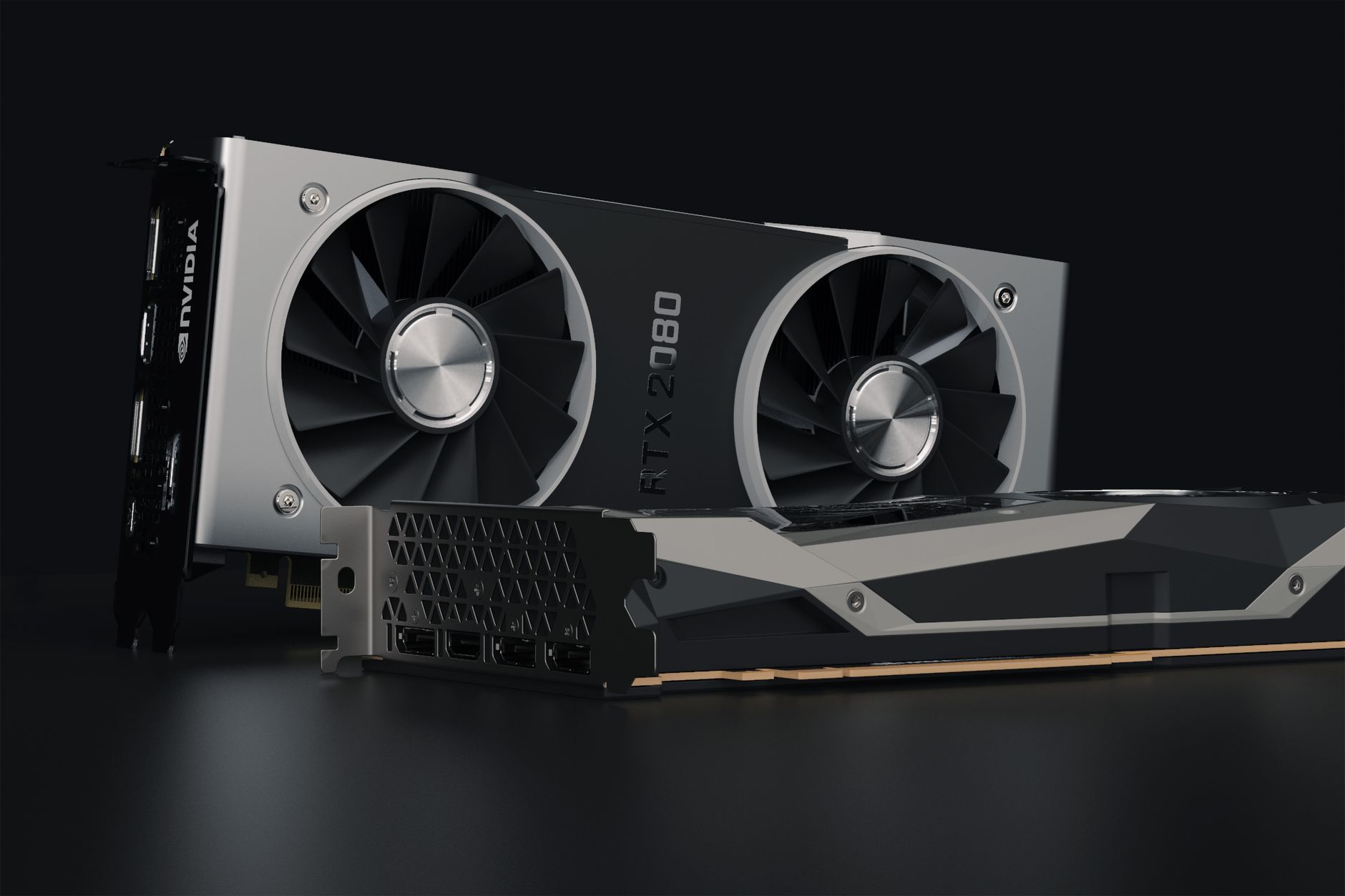
The sheer scale of recent investments in AI hardware, exemplified by reports of SpaceX's staggering $40 billion commitment to GPUs, is reshaping the global tech landscape. This monumental funding highlights the intense demand for computational power and raises critical questions about AI GPU financing UK, and how British firms can compete.
The GPU Bottleneck: Why Financing is Crucial for AI
The rapid acceleration of artificial intelligence, particularly in large language models (LLMs) and complex generative AI, is entirely reliant on powerful Graphics Processing Units (GPUs). These aren't just any GPUs; they are highly specialised accelerators from companies like Nvidia, designed for parallel processing, making them indispensable for training and deploying sophisticated AI models. The computational demands are immense, with training a single cutting-edge LLM potentially costing hundreds of millions, if not billions, of pounds in compute resources alone.
This insatiable demand has created a significant bottleneck in the supply chain, driving up costs and extending lead times for the most advanced chips. The latest Nvidia H100s and upcoming B200s are not merely components; they are strategic assets, dictating the pace of AI innovation. Consequently, securing access to these GPUs requires substantial capital, making AI hardware funding a paramount concern for any entity serious about AI development. Without robust financing, even groundbreaking AI research can be stalled by a lack of access to necessary hardware.
The current GPU market trends show a clear shift towards hyperscale acquisition, where major tech players and well-funded AI startups are buying up entire allocations. This exacerbates the challenge for smaller players and national AI strategies. Effective AI GPU financing UK initiatives are therefore essential to ensure that British innovators are not left behind in the global race, providing the capital needed to acquire this critical infrastructure.
Source: https://www.wired.co.uk/article/nvidia-ai-chip-shortage-impact
SpaceX's $40 Billion Deal: A Closer Look
Reports circulating in the tech and financial press suggest that Elon Musk's SpaceX has committed an astonishing $40 billion to acquire GPUs, primarily to power his burgeoning AI venture, xAI. While the exact details remain somewhat opaque, this figure, if accurate, represents one of the largest single investments in AI hardware to date, dwarfing many national AI budgets. This move underscores Musk's aggressive SpaceX AI strategy, which increasingly intertwines with his broader ambitions across various high-tech sectors, from rockets to electric vehicles and now, artificial intelligence.
The reported deal is not just about raw computing power; it's about establishing a foundational infrastructure that can rival or even surpass that of Google, Microsoft, and Amazon. xAI's goal is to develop an "optimised for truth" AI, and such an endeavour requires an unprecedented scale of processing capability for training vast models. This level of investment signals a clear intent to become a dominant player, bypassing the need to lease cloud compute from competitors and instead building a proprietary, hyper-efficient AI backbone.
Such a massive capital outlay for AI hardware funding isn't merely transactional; it's a strategic declaration. It reflects a growing trend among tech giants to internalise their AI compute needs, moving away from reliance on third-party cloud providers. This vertical integration provides greater control, potentially lower long-term operational costs, and the ability to customise hardware and software stacks for optimal performance, giving xAI a significant competitive edge in the rapidly evolving AI landscape.
Source: https://www.bloomberg.com/news/articles/spacex-plans-40-billion-gpu-cluster-for-xai
Impact on Global GPU Supply and Demand
A deal of this magnitude inevitably sends shockwaves through the global GPU market. Even if spread over several years, a $40 billion commitment from a single entity like SpaceX places immense pressure on an already constrained supply chain. Nvidia, the dominant producer of high-end AI chips, is struggling to keep pace with demand, and such large orders further stretch their manufacturing capabilities, leading to extended lead times for other customers worldwide.
This concentration of purchasing power among a few well-capitalised players risks creating a two-tiered system. Large corporations with deep pockets can secure vast quantities of GPUs, potentially locking out smaller companies, academic institutions, and even national initiatives from accessing essential hardware. This could stifle innovation outside the major tech hubs and centralise AI development in the hands of a select few, impacting overall GPU market trends.
Ultimately, such massive deals contribute to upward price pressure on AI GPUs globally. While direct consumer prices for gaming GPUs might not see an immediate, direct impact, the scarcity of professional-grade cards can indirectly affect pricing across the board, and certainly makes AI infrastructure investment UK a more expensive proposition for any organisation not operating at hyperscale.
Source: https://www.reuters.com/markets/europe/ai-chip-demand-fuels-nvidia-boom-strains-supply-chain-2024-03-05/
What This Means for UK AI Infrastructure & Startups
For the UK, SpaceX's colossal GPU investment serves as both a stark warning and a call to action. Competing directly with entities capable of deploying tens of billions on hardware is simply not feasible for most British startups or even many established enterprises. This makes the challenge of securing adequate AI GPU financing UK a critical national concern. Without access to cutting-edge compute, UK AI innovation risks falling behind.
To counter this, a concerted effort towards AI infrastructure investment UK is paramount. This could involve government-backed initiatives to establish shared national AI compute clusters, similar to projects seen in other European nations. Funding programmes specifically targeting AI hardware funding for startups, perhaps through grants, tax incentives, or subsidised access to cloud compute, would also be invaluable. Private sector tech investment UK in specialised AI data centres could also provide much-needed capacity.
UK startups should explore diversified strategies. This includes leveraging existing cloud providers, but also investigating smaller, specialised AI cloud services that might offer more flexible or cost-effective access to GPUs. Collaboration within the UK AI ecosystem, pooling resources for shared infrastructure, or focusing on software and application layers that can run efficiently on more modest hardware allocations, could also provide viable pathways to success in a hyper-competitive global landscape.