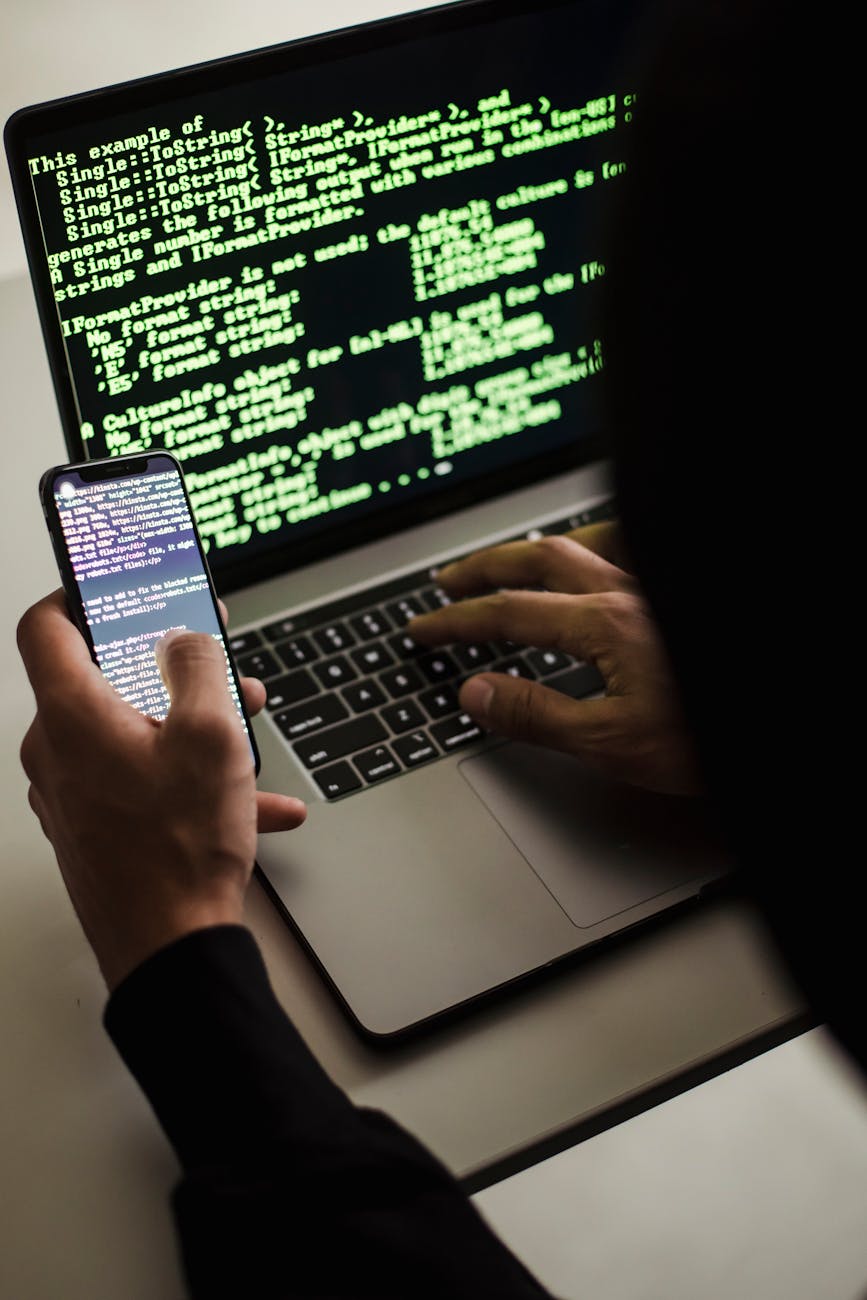
In an increasingly digital world, the threat of cyberattacks is constant, and iPhone hacking in the UK is a growing concern for many users. Understanding the risks and implementing robust security measures is crucial to safeguarding your personal information and digital life. This article will guide you through the essentials of mobile security, ensuring your Apple device remains protected.
Understanding iPhone Hacking Risks in the UK
The digital landscape in the UK is constantly evolving, and with it, the sophistication of cyber threats targeting mobile devices. Reports from the National Cyber Security Centre (NCSC) consistently highlight phishing and malware as significant vectors for attacks, with individuals often targeted through seemingly legitimate messages or apps. These methods can lead to unauthorised access, data theft, and even financial fraud, making robust iPhone hacking UK defences more critical than ever.
While iPhones are renowned for their strong built-in security features, no device is entirely immune to determined attackers. Cybercriminals frequently exploit human vulnerabilities through social engineering tactics, tricking users into revealing sensitive information or installing malicious software. These attacks can range from widespread campaigns to highly targeted efforts, sometimes even backed by state-sponsored groups or organised crime, aiming to compromise personal data or intellectual property.
The financial and personal impact of a compromised iPhone can be severe. Beyond the immediate loss of data or funds, victims may face identity theft, reputational damage, and long-term privacy concerns. It's not just about losing photos or contacts; it's about safeguarding your entire digital footprint, from banking apps to personal communications. Understanding these broader iOS security risks is the first step towards effective mobile security UK. For more insights into common cyber threats, the NCSC provides valuable resources: https://www.ncsc.gov.uk/blog/common-cyber-threats-uk-consumers
Common iPhone Vulnerabilities
Despite Apple's robust security architecture, several common vulnerabilities can expose your iPhone to potential hacking. One of the primary weaknesses lies in outdated software. Apple regularly releases iOS updates to patch newly discovered security flaws, and delaying these updates leaves your device susceptible to exploits that have already been identified and fixed. Attackers often target these known vulnerabilities, making timely updates a cornerstone of Apple device security.
User behaviour also plays a significant role in creating vulnerabilities. Using weak or easily guessable passcodes, reusing passwords across multiple services, or failing to enable two-factor authentication for Apple ID and other critical accounts can provide easy entry points for hackers. Furthermore, connecting to unsecured public Wi-Fi networks without a Virtual Private Network (VPN) can expose your data to interception, while clicking on suspicious links in emails or messages (phishing) remains a prevalent method for distributing malware.
Physical security is another often-overlooked aspect. An unlocked or unprotected iPhone left unattended can be easily accessed, allowing someone to install spyware, change settings, or extract data directly. Even if locked, a stolen device with an easily guessed passcode offers a window of opportunity for sophisticated criminals. Jailbreaking an iPhone, while offering more customisation, also bypasses Apple's security sandboxing, opening the device to a host of unknown iOS security risks and making it far easier for malicious actors to gain control. For advice on secure online practices, the UK government offers guidance: https://www.gov.uk/guidance/cyber-security-for-individuals
How to Secure Your iPhone: Step-by-Step Guide
Securing your iPhone begins with foundational steps that significantly bolster your Apple device security. Firstly, always use a strong, alphanumeric passcode, ideally six digits or more, and enable Face ID or Touch ID for quick, secure access. Secondly, activate Two-Factor Authentication (2FA) for your Apple ID immediately. This adds an essential layer of security, requiring a second verification step even if someone manages to obtain your password, making it much harder for an attacker to gain access.
Regularly updating your iOS is paramount. Apple consistently releases security patches, and installing these updates as soon as they become available closes known vulnerabilities that hackers might exploit. Beyond the operating system, keep all your apps updated via the App Store. Review app permissions periodically, ensuring that apps only have access to necessary data like location or contacts, helping to protect iPhone data from unwarranted access. Delete any apps you no longer use, as they could become vectors for older vulnerabilities.
Finally, take proactive steps to protect your data. Regularly back up your iPhone to iCloud or your computer, ensuring that even if your device is compromised or lost, your important information is safe. Enable "Find My iPhone" to locate, lock, or erase your device remotely if it's stolen. Consider using a reputable VPN service when connecting to public Wi-Fi networks to encrypt your internet traffic, adding another layer to your mobile security UK strategy. Apple also provides extensive security guidance on their support pages: https://support.apple.com/en-gb/HT201351
Protecting Your Data from AI Agents
The rise of artificial intelligence introduces new dimensions to cyber security threats, demanding heightened vigilance to protect iPhone data. AI agents can now power incredibly sophisticated phishing attempts, generating highly convincing emails, messages, and even deepfake audio or video impersonations that are almost indistinguishable from real communications. These advanced scams are designed to trick users into revealing credentials or downloading malicious files, making critical thinking more important than ever.
To combat these evolving threats, UK users must become adept at spotting AI-generated deception. Always verify the sender of an email or message independently, question unusual requests, and be sceptical of urgent or emotionally charged communications. Enable advanced spam filtering where available and consider using security solutions that incorporate AI-driven threat detection to identify novel patterns of attack.
Furthermore, understand the data privacy implications of AI services and apps you use on your iPhone. Review their privacy policies and adjust settings to limit data collection wherever possible. Be mindful of what personal information you share with chatbots or other AI tools, as this data could potentially be exploited. Your proactive approach to data hygiene and scepticism is a crucial defence against AI-powered hacking attempts in the modern digital landscape.