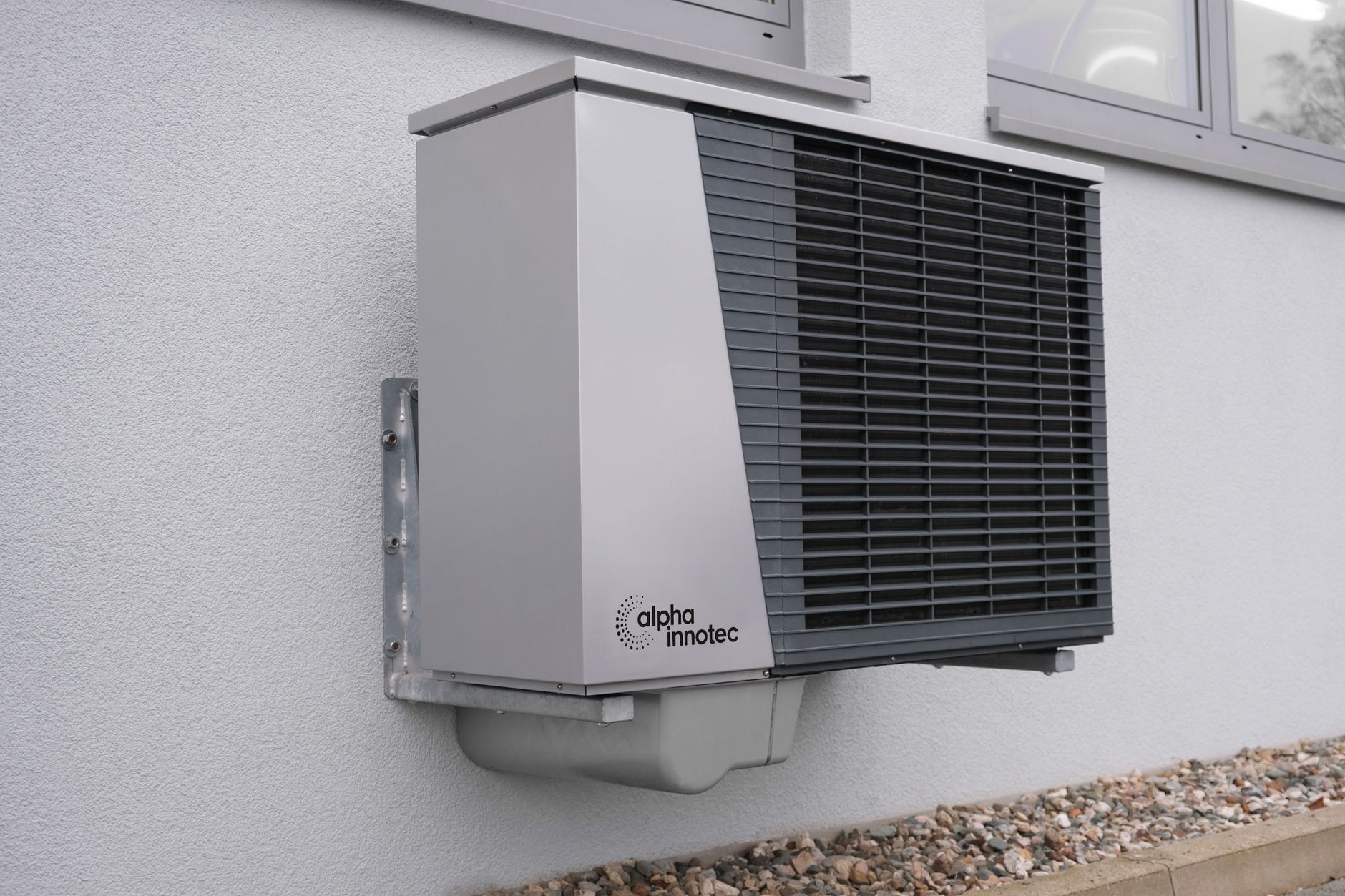
The immense power of AI compute generates a significant amount of heat, a byproduct that has historically been a costly waste. However, a new wave of innovation is seeing UK datacentre heating being repurposed to warm domestic properties, offering a glimpse into a more sustainable future.
The Problem: Waste Heat from Datacentres
The relentless demand for digital services, from streaming to cloud computing, means datacentres are operating at unprecedented levels. These facilities, housing thousands of servers, consume vast amounts of electricity. A significant portion of this energy, often cited as up to 40%, is converted into heat during the computing process. This heat, if not managed, can lead to overheating and reduced efficiency, requiring even more energy for cooling systems.
Historically, this surplus heat has been a major challenge for datacentre operators. While some facilities employ sophisticated cooling mechanisms, the thermal output often far exceeds the local ambient temperature, making it difficult and expensive to dissipate effectively. This inefficiency contributes to the overall carbon footprint of the digital infrastructure, a growing concern for environmentalists and regulators alike. In the UK, with its dense urban populations and increasing reliance on digital services, the scale of this waste heat problem is particularly significant.
The environmental implications are stark. Releasing this substantial amount of heat directly into the atmosphere contributes to urban heat island effects and represents a missed opportunity for energy recovery. As datacentres continue to expand to meet the growing demands of AI and other data-intensive applications, finding sustainable solutions for their waste heat is becoming an urgent priority. Many UK businesses are actively seeking ways to reduce their environmental impact, and this untapped thermal energy presents a prime target for innovation.
The Solution: AI Datacentres Heating UK Homes
Innovative companies are now pioneering methods to capture and redistribute this otherwise wasted heat from datacentres, directly benefiting UK households. This approach transforms a significant operational challenge into a valuable resource, contributing to both energy efficiency and cost savings. The concept involves connecting datacentre facilities to local district heating networks, allowing the warm water generated by the servers to be channelled directly to homes and businesses.
This symbiotic relationship offers a compelling vision for the outlook for urban energy infrastructure. Instead of expending energy to cool datacentres, the heat generated by their powerful AI compute operations can be harnessed and delivered to consumers. This not only reduces the need for conventional heating methods, which often rely on fossil fuels, but also enhances the operational efficiency of the datacentres themselves by mitigating overheating issues. Several pilot projects across the UK are already demonstrating the viability of this model, proving that computer power heating can be a practical reality.
The integration of AI compute heat homes is particularly promising for densely populated areas where datacentres are often located. By tapping into this readily available thermal energy source, communities can benefit from more affordable and sustainable heating solutions. This also supports the UK’s broader environmental targets, offering a tangible pathway to decarbonise heating, a sector that has traditionally been difficult to address through electrification alone. The development of domestic datacentres UK could further streamline this process, bringing the heat source even closer to consumers.
How it Works: The Technology Behind the Heat
At its core, the technology involves a sophisticated heat exchange system. Servers within the datacentre generate heat as a natural consequence of their electrical activity. This heat is absorbed by a cooling fluid, typically water, which circulates through the server racks. This warmed fluid is then pumped out of the datacentre and into a network of insulated pipes.
This network forms part of a larger district heating system. The heated water from the datacentre is fed into this system, often blending with heat from other sources to maintain a consistent temperature. When a home or building connected to the network requires heating, hot water is drawn from the district heating main. This water then passes through a heat exchanger within the property, transferring its warmth to the building's heating system before returning to the network to be reheated at the datacentre. This closed-loop system ensures continuous circulation and efficient heat transfer.
Advanced monitoring and control systems are crucial for optimising this process. These systems ensure that the temperature and flow rates of the heat are precisely managed to meet demand while maintaining the operational integrity of the datacentre. The aim is to create a seamless and invisible integration of datacentre heat into the domestic energy supply, making sustainable datacentres a practical and beneficial reality for communities.
Benefits and Challenges for the UK
The primary benefit of this technology for the UK is a significant step towards sustainable heating. By utilising waste heat from datacentres, we can reduce our reliance on fossil fuels for domestic heating, thereby lowering carbon emissions and contributing to the UK's net-zero targets. Furthermore, this approach can lead to more affordable energy bills for consumers, as the heat source is essentially a byproduct of essential digital infrastructure. This creates a win-win scenario for both the environment and the economy, fostering a more resilient and green energy landscape.
However, challenges remain in scaling this solution across the UK. The initial infrastructure investment for district heating networks and the integration of datacentres can be substantial. Logistical hurdles, such as securing planning permission and coordinating with local authorities, also need to be addressed. Ensuring the reliability and consistent supply of heat from datacentres, which are themselves dependent on electricity, is another factor to consider. Nevertheless, the potential for widespread adoption makes these challenges worth tackling.
For the UK to fully embrace this innovative approach, a supportive regulatory framework and incentives for businesses to invest in heat recovery technology are essential. Collaboration between datacentre operators, energy providers, and local councils will be key to developing viable projects. The ongoing advancements in AI compute power mean that the volume of waste heat available will only increase, making the development of UK datacentre heating solutions an increasingly attractive and necessary endeavour.