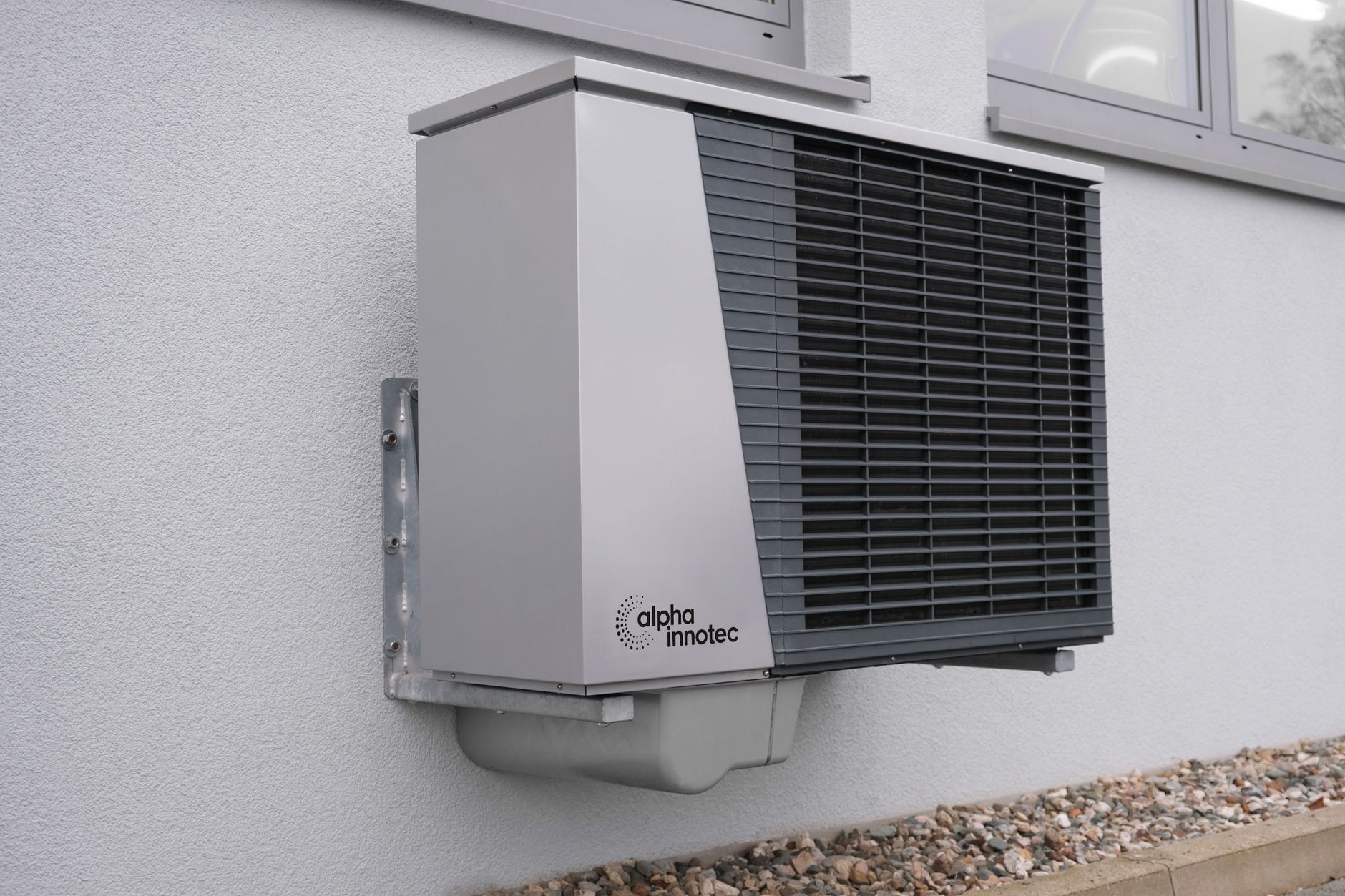
The energy demands of our digital world are immense, with datacentres consuming vast amounts of power and generating significant waste heat. But what if this waste could become a valuable resource? Innovative approaches to UK datacentre heating are emerging, proposing a future where our digital infrastructure actively contributes to warming our homes.
The Problem: Datacentre Waste Heat
Datacentres are the unseen engines of the digital economy, powering everything from streaming services to complex AI computations. However, their operation comes with a substantial environmental and energy cost. A significant portion of the electricity consumed by these facilities, often exceeding 30-40%, is converted directly into heat, which traditionally is simply expelled into the atmosphere. This not only represents a colossal waste of energy but also contributes to the urban heat island effect and increases the carbon footprint of the tech sector.
In the UK, the growth of cloud computing and AI services means the demand for datacentre capacity is surging. With this expansion comes an escalating energy burden. Estimates suggest that datacentres globally could account for up to 4% of total electricity consumption, a figure projected to rise further. The sheer volume of energy used for cooling these facilities, often running 24/7, presents a paradox: we generate heat only to spend more energy getting rid of it.
This wasteful cycle is unsustainable, particularly as the UK strives to meet its net-zero targets. The current model necessitates building larger, more energy-intensive cooling systems, further increasing operational costs and environmental impact. Finding a way to harness this abundant, low-grade heat is not just an environmental aspiration but an economic imperative. For more on the energy impact, see: https://www.carbonbrief.org/uk-data-centre-emissions-rise-2023
The Solution: Domestic Datacentres UK
A transformative solution is emerging from the concept of distributed computing: integrating smaller, "domestic datacentres UK" directly into buildings and communities. Instead of large, centralised facilities dumping heat, these compact units are designed to capture and repurpose their waste heat for local use. Imagine a small server rack, no larger than a washing machine, quietly processing data in your basement or a communal plant room, with its heat output directly plumbed into your building's heating system.
Several pioneering projects in the UK are exploring this very concept. Companies are developing server units specifically engineered to operate as efficient heat exchangers. The servers are immersed in dielectric fluid, which absorbs the heat generated by the processors. This warmed fluid then transfers its energy to a building’s water-based heating system, providing warmth for radiators, underfloor heating, or hot water. This turns the datacentre from an energy drain into an energy asset.
This decentralised approach offers multiple benefits. It reduces the need for extensive cooling infrastructure, lowers transmission losses for both electricity and heat, and provides a reliable, consistent source of warmth. Furthermore, by placing these units closer to the point of heat demand, the efficiency of heat recovery is dramatically improved, moving away from the inefficiency of large-scale datacentre cooling. For an example of such initiatives, visit: https://www.techinnovations.uk/distributed-heating-trials-2024
How AI Compute Fuels the System
The advent of artificial intelligence (AI) is a key factor in making this innovative heating solution viable and increasingly attractive. AI compute, particularly the intensive processing required for machine learning, deep neural networks, and generative AI models, is incredibly power-hungry. Graphics Processing Units (GPUs), the workhorses of modern AI, generate significant amounts of heat as they perform billions of calculations per second. This inherent thermal output, traditionally a challenge for cooling, becomes an asset in the context of AI compute heating.
As AI applications become more pervasive across industries – from medical diagnostics to financial modelling and smart city management – the demand for dedicated AI compute infrastructure will only grow. Rather than viewing this increased heat generation as a problem, the domestic datacentres UK model sees it as an opportunity. By strategically locating these AI-focused compute units within buildings that require heating, we can efficiently convert the energy spent on complex algorithms into warmth for human comfort.
This synergy means that every AI query, every data analysis, and every model training session can contribute directly to reducing a building's reliance on traditional, fossil-fuel-based heating systems. It transforms the energy expenditure of advanced computing into a dual-purpose system, where computer power heating homes becomes a tangible reality. The higher the computational demand, the more heat is produced, creating a scalable and responsive heating solution. Learn more about thermal management in AI: https://www.aiengineering.org/thermal-management-innovations
Benefits for UK Homes & Environment
The widespread adoption of UK datacentre heating, particularly through domestic datacentres powered by AI compute, promises a multitude of benefits for both UK homes and the broader environment. For homeowners and building operators, the primary advantage is reduced heating costs. By leveraging waste heat from computing, reliance on expensive gas or electricity for heating can be significantly lowered, leading to tangible savings on energy bills. This also offers a degree of energy independence and resilience against fluctuating energy prices.
Environmentally, this approach marks a significant step towards truly green data centres UK. By recovering and reusing heat that would otherwise be wasted, the overall energy efficiency of the digital infrastructure dramatically improves. This directly translates to a reduction in carbon emissions associated with both datacentre operations and building heating. It’s a circular economy model for energy, transforming a pollutant into a valuable resource.
The UK, with its temperate climate and ambitious net-zero targets, is an ideal candidate for this technology. Imagine new housing developments or commercial buildings designed with integrated domestic datacentres, providing their own heating while also contributing to the national computing infrastructure. This innovative use of computer power heating homes not only makes our digital future more sustainable but also helps to create warmer, more affordable living and working spaces across the country.