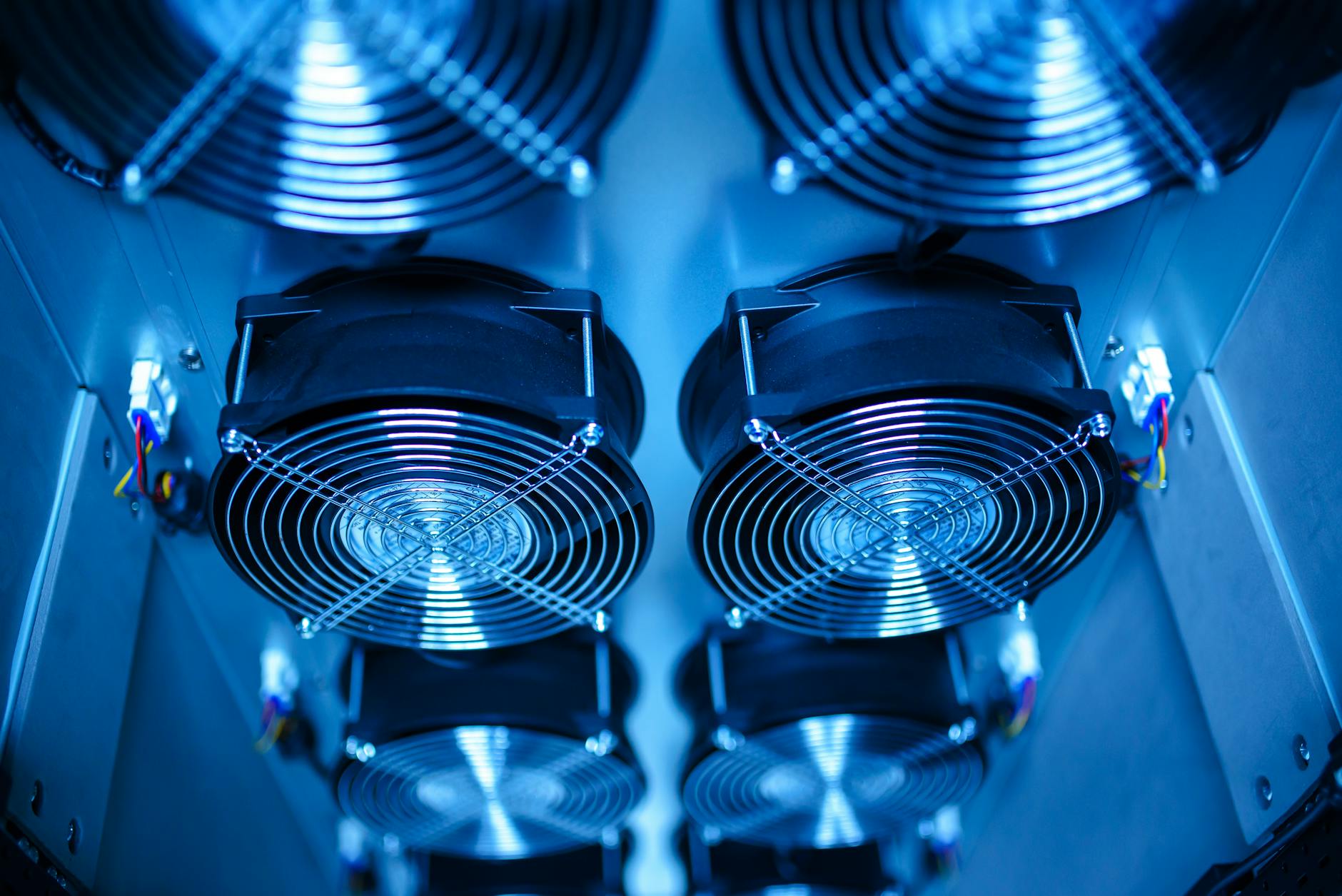
The relentless demand for digital services is putting immense pressure on our infrastructure, particularly when it comes to keeping powerful servers cool. Now, a truly novel approach to UK datacentre cooling is emerging: pee-powered tech.
The Problem of Data Centre Cooling
The digital world runs on servers, and servers generate a lot of heat. As data consumption and processing power skyrocket, the need for efficient cooling in datacentres has become a critical bottleneck. Traditional cooling methods, often relying on vast amounts of water, are becoming increasingly unsustainable and costly.
This intense heat generation is not just an operational headache; it has significant environmental implications. Datacentres are already substantial consumers of electricity, and cooling systems can account for up to 40% of their total energy usage. This makes energy efficiency a paramount concern for the sector.
Furthermore, the reliance on water for cooling, especially in regions facing water stress, presents a growing challenge. The UK, while not always perceived as arid, experiences periods of drought, making the substantial data centre water usage UK a point of concern for environmental regulators and the industry alike. Finding sustainable alternatives is no longer a luxury, but a necessity.
How Pee-Powered Cooling Works
At its core, this innovative approach leverages the properties of urine, specifically its nitrogen content, to facilitate cooling. Developed by researchers at the University of Bath, the system uses a process where urine is electrolysed to produce hydrogen and oxygen. The hydrogen can then be used to power fuel cells, which in turn generate electricity.
Crucially, this process also yields a byproduct – a mixture of nitrogen and other gases – that can be used to cool the datacentre. This is achieved through a process similar to refrigeration, where the gas is compressed and expanded to absorb heat. The team has demonstrated that this method can effectively lower the temperature of server racks.
The beauty of this system lies in its circular economy potential. Instead of discarding wastewater, it's transformed into a valuable resource for both energy generation and cooling. This significantly reduces the reliance on external water sources and offers a cleaner, more sustainable alternative to conventional methods.
Sustainability Benefits for UK Data Centres
The adoption of pee-powered tech for UK datacentre cooling offers a compelling suite of sustainability benefits. Foremost among these is a drastic reduction in the sector's water footprint. By utilising a readily available and continuously produced resource, datacentres can significantly decrease their dependence on municipal water supplies.
This innovation also contributes to lowering the carbon emissions associated with datacentre operations. By generating clean energy through hydrogen fuel cells and reducing the energy-intensive nature of traditional cooling, the overall environmental impact of these facilities can be substantially mitigated. This aligns with the UK's ambitious net-zero targets.
Moreover, this technology promotes a more circular approach to resource management. It transforms waste into a valuable commodity, fostering a more sustainable operational model. For UK datacentre cooling, it represents a move towards greater self-sufficiency and a reduced environmental burden, making the vision of sustainable data centres UK a more tangible reality.
Challenges and the outlook for Data Centre Cooling in the UK
While the concept of pee-powered cooling is groundbreaking, its widespread adoption in the UK faces several hurdles. Scalability is a key concern; ensuring that the process can efficiently handle the immense cooling demands of large-scale datacentres requires further development and investment. Infrastructure integration also presents a challenge, as new systems will need to be seamlessly incorporated into existing facilities.
Public perception and regulatory frameworks will also play a significant role. Overcoming any initial squeamishness around the use of human waste and establishing clear guidelines for its safe and effective application will be crucial. However, the clear environmental advantages and the potential for cost savings offer strong incentives for overcoming these obstacles.
The outlook for data centre cooling in the UK will likely involve a multi-pronged approach. Innovative solutions like pee-powered tech, alongside advancements in liquid cooling and more efficient air-cooling systems, will be vital. The focus will undoubtedly remain on reducing water and energy consumption, paving the way for truly sustainable data centres UK.