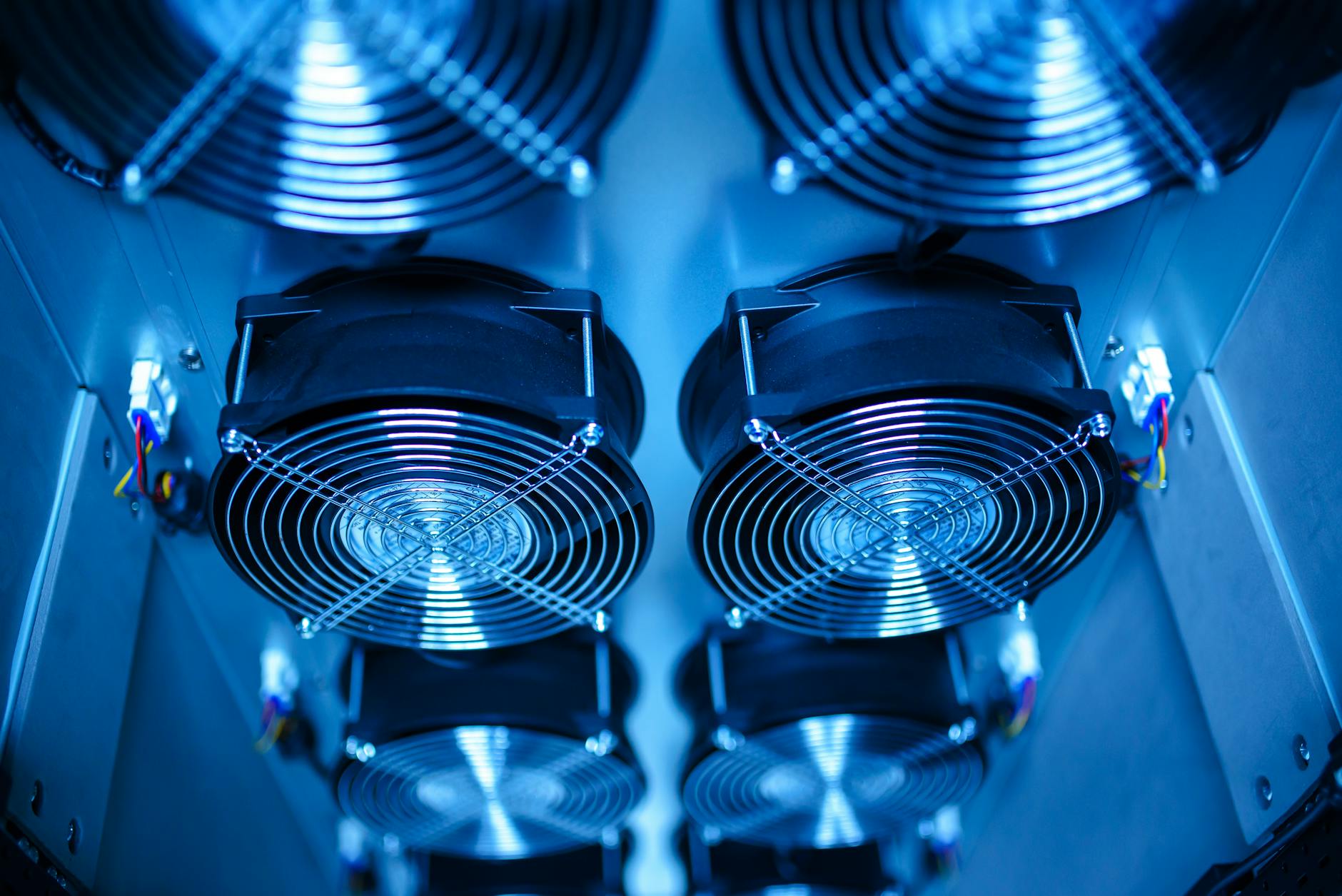
Imagine a world where the humble flush could help keep our ever-growing data centres cool. This isn't science fiction; innovative UK tech is exploring the surprising potential of pee-powered cooling for sustainable data centres.
The Pee-Powered Data Centre Concept
The insatiable demand for digital services means data centres are becoming increasingly vital, but also significant energy consumers. A substantial portion of this energy is used for cooling the powerful servers that underpin our online lives. As the UK strives for greener digital infrastructure, researchers are looking to unconventional sources for effective and sustainable cooling solutions.
One such revolutionary approach gaining traction within UK tech innovation is the concept of using human waste, specifically urine, for data centre cooling. This might sound unusual, but the underlying science offers a compelling pathway towards reducing the environmental footprint of these critical facilities. The idea is to harness the natural properties of biological matter to absorb and dissipate heat.
This pioneering concept aligns with the broader trend towards circular economy principles in the UK, where waste streams are viewed not as a problem, but as a resource. By integrating biological cooling methods, the UK aims to move away from energy-intensive, traditional cooling systems that often rely on refrigerants with significant environmental impacts.
How it Works: The Science Behind the Flush
The core principle behind pee-powered cooling, often referred to as biological cooling, relies on the unique chemical composition of urine. Urine contains urea, which, when broken down by specific bacteria, releases ammonia. This process is exothermic, meaning it releases heat, but more importantly, the subsequent evaporation of water from the urine is an endothermic process – it absorbs a significant amount of heat.
This evaporative cooling effect is similar to how sweating cools our bodies. In a data centre context, specially designed systems would circulate urine through heat exchangers. As the urine evaporates, it draws heat away from the hot components of the servers, effectively cooling them. The ammonia produced can also be captured and potentially used for other industrial purposes, adding another layer of resourcefulness.
Research from institutions like the University of Bath has explored the potential of using urine in novel ways, including for energy generation. While the direct application for cooling is still in its nascent stages, the fundamental principles of harnessing biological processes for thermal management are being actively investigated. The key is to create a controlled environment where these biological reactions can occur efficiently and safely.
UK Data Centre Challenges and Solutions
Implementing pee-powered cooling in the UK faces several hurdles, chief among them being public perception and the need for robust infrastructure. Convincing operators and the public of the safety and hygiene of using human waste, even in a processed form, requires significant education and transparent demonstration of the technology's efficacy.
Regulatory frameworks also need to adapt to accommodate these novel biological cooling methods. Ensuring that waste is collected, processed, and circulated in a way that meets stringent environmental and health standards is paramount. Furthermore, the initial investment in specialised equipment and the integration with existing data centre designs present a financial challenge for widespread adoption.
However, the potential solutions are being actively developed. Pilot projects and rigorous testing are crucial to build confidence and gather real-world data. Companies in the UK are exploring closed-loop systems that minimise any potential for contamination and maximise the efficiency of the biological processes. The focus is on creating a sealed, controlled environment where the urine is transformed into a cooling medium without posing any risk.
Environmental and Economic Benefits
The environmental advantages of UK data centre cooling powered by urine are substantial. By reducing reliance on energy-intensive refrigeration systems, these methods can significantly lower a data centre's carbon footprint. This aligns perfectly with the UK's ambitious net-zero targets and its commitment to developing a greener digital economy.
Economically, while initial investment may be higher, the long-term operational costs could be considerably lower. Urine is an abundant and readily available resource, potentially reducing the need for expensive and environmentally impactful refrigerants. Furthermore, the capture of by-products like ammonia could create additional revenue streams, making the overall proposition more attractive. For UK businesses, adopting such sustainable practices can enhance brand reputation and appeal to environmentally conscious consumers.