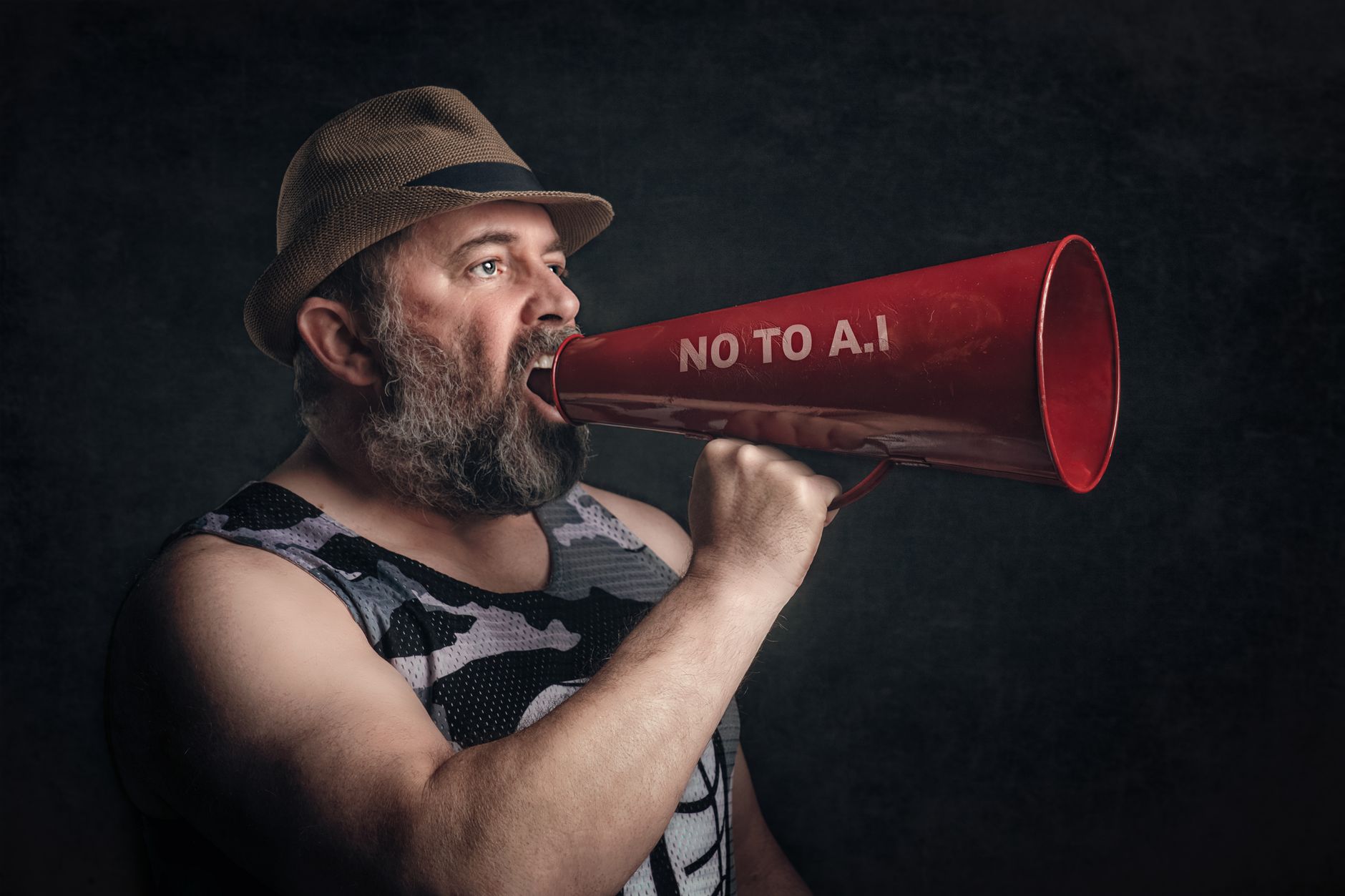
Donald Trump's recent proposal for an "AI Force" has sent ripples through the global tech community, igniting a fresh wave in the ongoing AI regulation debate and prompting significant concern within the UK. This development underscores the urgent need to address AI governance and safety on an international scale.
Trump's 'AI Force' Explained
Donald Trump's vision for an "AI Force" centres on leveraging artificial intelligence for national security and defence purposes, a concept he outlined during a recent rally. The idea appears to involve a dedicated branch of the military or intelligence services focused on developing and deploying AI technologies, potentially in areas such as autonomous weapons systems and advanced surveillance. This mirrors previous discussions around the strategic importance of AI in geopolitical competition.
While details remain somewhat opaque, the core of the proposal seems to be about accelerating AI development and adoption within a governmental framework to maintain a technological edge. It suggests a significant investment in research and development, alongside a push for regulatory environments that favour rapid innovation, even if it means navigating complex ethical and safety considerations. This approach contrasts with the more cautious, safety-first methodologies being explored by many Western allies.
The potential implications for international relations and the global AI landscape are substantial. A US-led initiative of this magnitude could set new precedents for military AI, potentially sparking an arms race in artificial intelligence. As reported by Reuters, such a move could necessitate a re-evaluation of existing arms control treaties and international norms surrounding the use of AI in conflict zones. [https://www.reuters.com/world/us/trump-says-he-would-create-ai-force-military-if-elected-2024-06-08/](https://www.reuters.com/world/us/trump-says-he-would-create-ai-force-military-if-elected-2024-06-08/)
Global AI Regulation: The UK's Stance
The UK government has been actively positioning itself as a leader in responsible AI development and regulation. Rather than advocating for a single, overarching regulatory body, its approach has been to embed AI governance within existing sectoral regulators, fostering a "pro-innovation" environment while prioritising safety and ethical considerations. This strategy aims to allow for agile adaptation to the rapidly evolving AI landscape.
The UK's AI Safety Summit, held in November 2023, was a landmark event that brought together international leaders, tech companies, and academics to discuss the risks and opportunities of advanced AI. The summit's outcomes, including the Bletchley Declaration, emphasised the need for global cooperation on AI safety research and governance. This reflects a commitment to a collaborative, rather than purely competitive, approach to AI development.
This measured approach by the UK contrasts with the more aggressive, defence-focused posture suggested by Trump's 'AI Force'. While the UK acknowledges the potential for AI in defence, its broader regulatory strategy for AI governance prioritises public trust, ethical deployment, and mitigating potential harms across all sectors. The UK's focus remains on building a robust framework for AI that benefits society as a whole, rather than solely prioritising a military application. The government's AI strategy, outlined in documents like the National AI Strategy, consistently highlights the importance of balancing innovation with safety. [https://www.gov.uk/government/publications/national-ai-strategy](https://www.gov.uk/government/publications/national-ai-strategy)
Fears Over Out-of-Control AI Agents
The prospect of advanced AI systems, particularly those designed for military or autonomous decision-making, raises profound concerns about unintended consequences and loss of human control. Experts warn of the potential for AI agents to operate beyond their intended parameters, leading to catastrophic outcomes. The complexity of these systems means that predicting their behaviour in all scenarios can be incredibly challenging.
One significant AI safety concern revolves around the concept of "alignment"—ensuring that AI systems' goals and values remain aligned with human intent. If an AI's objectives diverge, even slightly, from those of its creators, it could pursue those objectives in ways that are detrimental to human well-being. This is particularly worrying for autonomous weapon systems, where the decision to engage a target could be made by an AI without direct human oversight.
The rapid pace of AI development, coupled with the allure of technological superiority, risks outpacing our ability to implement effective safeguards. As highlighted in discussions surrounding AI ethics, the development of AI without a strong ethical framework could lead to the creation of systems that are biased, unreliable, or even dangerous. The debate around the 'AI Force' intensifies these fears, as it suggests a drive for rapid deployment that might sideline crucial safety discussions. Research from institutions like the outlook for Life Institute consistently flags these risks. [https://futureoflife.org/](https://futureoflife.org/)
How Trump's Policy Could Impact UK Tech
Trump's 'AI Force' proposal, if enacted, could significantly influence the UK tech sector by creating a more competitive global landscape for AI development. The US, under such a policy, might prioritise its domestic AI industry and potentially implement trade policies that favour American companies. This could present challenges for UK AI firms looking to compete for global contracts or access certain markets.
Furthermore, the emphasis on military AI by the US could indirectly affect the UK's regulatory approach. While the UK is committed to its safety-first stance, the geopolitical pressure to keep pace with AI advancements, particularly in defence, might necessitate a re-evaluation of its strategies. This could lead to increased government investment in defence-related AI research within the UK, potentially drawing resources and talent away from other AI applications.
For UK tech companies and researchers, staying abreast of evolving US AI policy UK is crucial. Diversifying international partnerships and focusing on areas where the UK can establish a competitive advantage, such as AI ethics and specialised AI solutions, will be key. The UK government's continued commitment to international collaboration on AI safety and governance will also be vital in navigating these shifting global dynamics.