The UK mobile AI chatbot landscape is heating up with Meta's new Muse AI entering the ring against the established champion, ChatGPT. This in-depth UK AI chatbot comparison will help you decide which virtual assistant best suits your needs.
Introducing Meta Muse AI
Meta's foray into the AI chatbot space with Muse AI marks a significant development for users in the UK. This new offering aims to integrate seamlessly into Meta's existing ecosystem, potentially leveraging its vast user base across platforms like WhatsApp, Instagram, and Messenger. Early indications suggest Muse AI is designed to be a versatile assistant, capable of handling a wide range of queries and tasks, from factual information retrieval to creative content generation. The focus appears to be on providing an accessible and intuitive AI experience directly within the apps many Britons use daily.
One of the key differentiators for Muse AI could be its contextual understanding derived from Meta's extensive data. While this raises privacy questions, it also promises a more personalised and relevant interaction. Imagine asking for restaurant recommendations in your local area and receiving suggestions tailored to your past dining preferences, all within a familiar messaging interface. This level of integration could make Muse AI a highly convenient tool for everyday tasks and information gathering.
The development of Muse AI is part of a broader industry trend towards embedding AI capabilities into everyday applications. Meta's investment in this area signals their commitment to remaining at the forefront of technological innovation. As reported by TechCrunch, Meta is reportedly "testing a new AI chatbot feature within its apps that could allow users to ask questions and get answers from the AI assistant" [https://techcrunch.com/2023/09/27/meta-is-testing-an-ai-chatbot-in-whatsapp-and-instagram/]. This integration is crucial for its success in the competitive UK market.
ChatGPT: The Current Leader
ChatGPT, developed by OpenAI, has undeniably set the benchmark for AI chatbots globally and in the UK. Its ability to generate human-like text, answer complex questions, and even write code has captured the imagination of millions. For UK users, ChatGPT has become a go-to tool for research, creative writing, and even just for fun, demonstrating its broad appeal and versatility.
The accessibility of ChatGPT, particularly through its web interface and mobile app, has been a major factor in its widespread adoption. Users can easily access its powerful language model from their smartphones, making it a convenient AI assistant for on-the-go queries. Whether you're a student in Manchester needing help with an essay or a professional in London seeking to draft an email, ChatGPT has proven its worth.
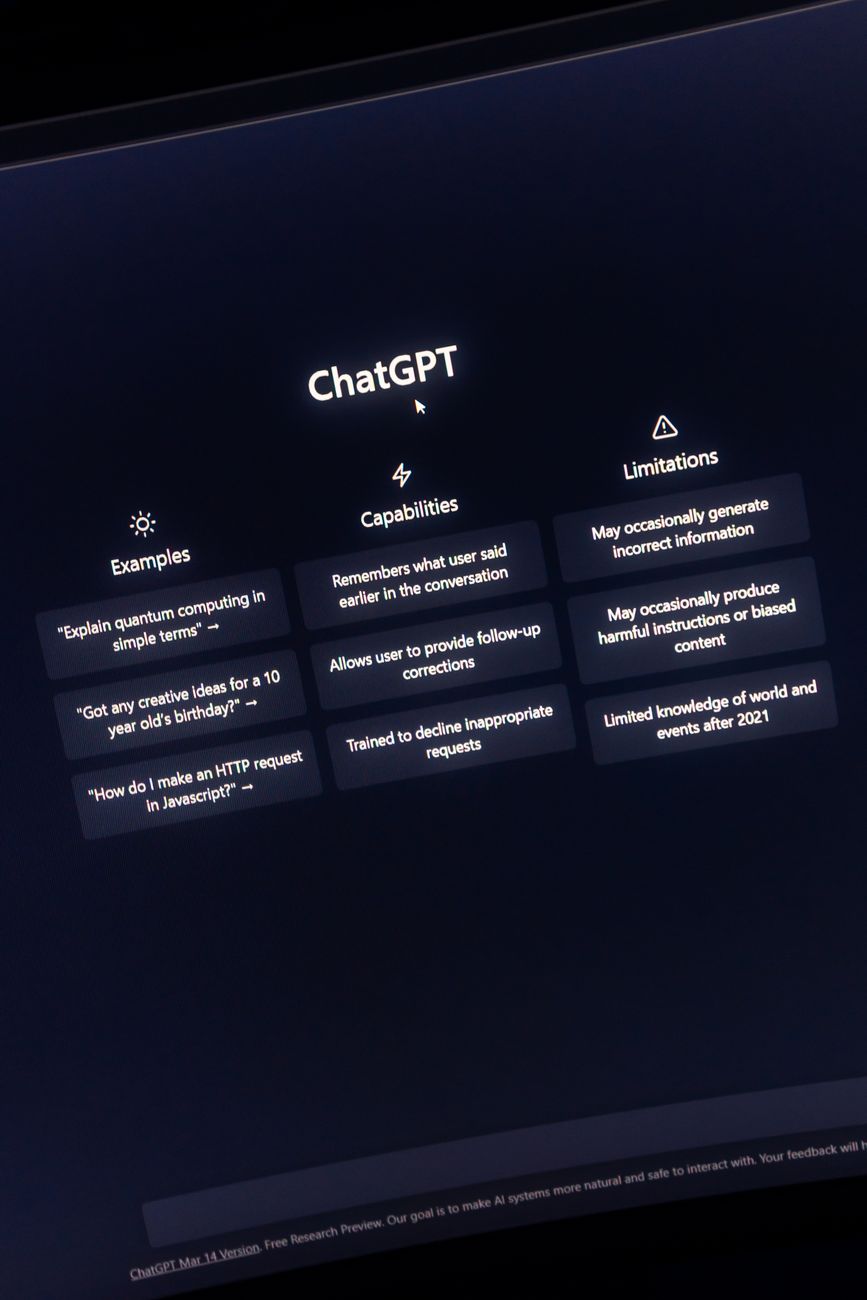
However, ChatGPT is not without its limitations. While its knowledge base is extensive, it can sometimes provide outdated information, as its training data has a cut-off point. Furthermore, its responses, while often impressive, can occasionally lack the nuanced understanding or personal touch that some users might desire. OpenAI continues to refine its models, but the core experience remains largely consistent for many users. A recent report highlighted the ongoing development and impact of large language models like ChatGPT [https://www.bbc.co.uk/news/technology-64044870].
Feature-by-Feature Comparison
When comparing Meta Muse AI and ChatGPT for UK mobile users, several key features come into play. ChatGPT excels in its raw language processing power, offering detailed and often elaborate responses across a vast array of topics. Its ability to maintain conversational flow and generate creative content like poems or scripts is particularly strong. Muse AI, on the other hand, is likely to focus on tighter integration with Meta's platforms, potentially offering more contextually aware responses based on your social media activity and messaging history.
The user interface and experience will also differ significantly. ChatGPT's standalone app and web interface provide a dedicated chat environment. Muse AI's integration into WhatsApp, Instagram, and Messenger means users might interact with it without leaving their preferred social app, offering a more embedded and potentially less intrusive experience for some. This could be a major advantage for those who prefer to keep their AI interactions within their existing communication channels.
Another critical area is data privacy and how each AI handles user information. OpenAI's policies around ChatGPT are well-documented, while Meta's approach to data usage, particularly within its social media platforms, is a subject of ongoing scrutiny. For UK users, understanding these differences is paramount when choosing an AI assistant that aligns with their privacy expectations. The potential for Muse AI to leverage Meta's vast data could offer deeper personalisation but also raises more significant privacy concerns, as discussed in broader AI privacy contexts [https://www.wired.co.uk/article/what-is-ai-privacy].
Performance on UK Mobile
For UK mobile users, the performance of both Meta Muse AI and ChatGPT hinges on a few critical factors: speed, accuracy, and ease of access. ChatGPT's mobile app generally offers a robust experience, providing quick responses and a stable connection, assuming a good data signal. Its ability to handle complex queries on the go makes it a powerful AI assistant UK residents can rely on for immediate information.
Meta Muse AI's success on UK mobile will heavily depend on its integration speed and responsiveness within Meta's apps. If it can deliver fast, relevant answers without causing app slowdowns or consuming excessive data, it could become incredibly popular. The convenience of accessing it directly from WhatsApp or Instagram could make it the preferred choice for quick lookups and simple tasks. For instance, asking Muse AI for the nearest post office or the current weather in Leeds should be instantaneous.
Ultimately, the "better" AI chatbot for UK users will depend on individual priorities. If you need a powerful, versatile tool for in-depth research and creative writing, ChatGPT remains a strong contender. If you prioritise seamless integration into your daily social media and messaging routines for quick, contextual assistance, Meta Muse AI might prove to be the more convenient option. Both offer distinct advantages for the UK mobile user.