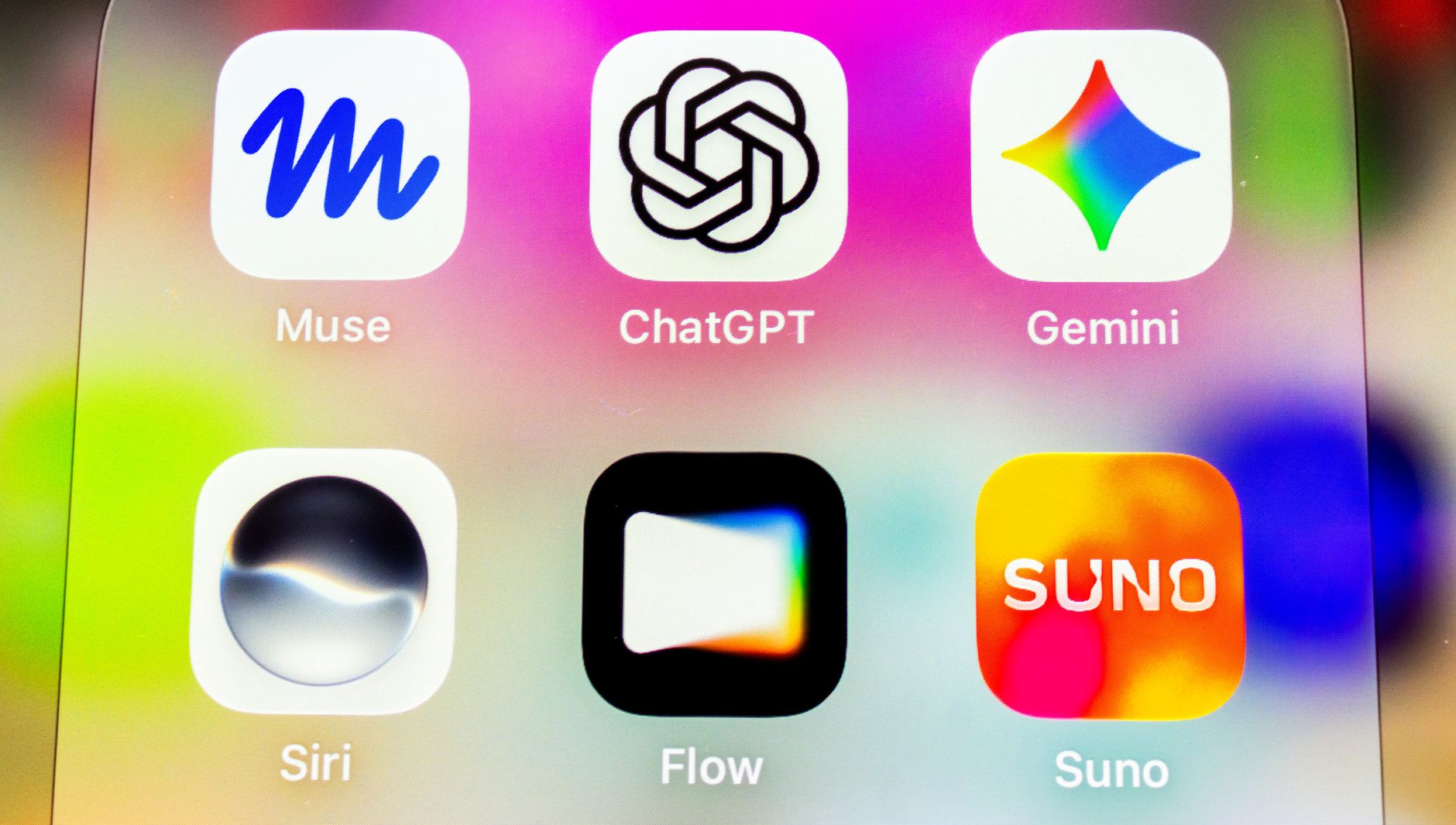
The AI chatbot landscape is rapidly evolving, with new contenders like Meta Muse challenging established players like ChatGPT. For UK users, understanding the nuances of Meta Muse vs ChatGPT UK is crucial to leverage these powerful tools effectively.
Introducing Meta Muse Spark Open
Meta has entered the generative AI race with its latest offering, Muse, a powerful new AI model that aims to compete directly with leading platforms. Muse is designed to be a versatile tool, capable of understanding and generating a wide range of content, from creative writing to complex code. This move signals Meta's significant investment in artificial intelligence and its ambition to shape the outlook for conversational AI.
The "Spark Open" designation suggests a focus on accessibility and collaboration, potentially allowing developers and researchers to build upon and integrate Muse into their own applications. While specific details about its UK rollout and integration with existing Meta products like WhatsApp and Instagram are still emerging, the underlying technology promises sophisticated natural language processing capabilities. Early indications point towards a focus on multimodal understanding, meaning Muse could potentially process and generate not just text, but also images and other media.
This latest development places Meta Muse firmly in the arena against giants like OpenAI's ChatGPT. For users in the UK, this competition is a positive sign, likely to drive innovation and offer more choice in AI chatbot solutions. The performance and specific features of Muse will be key in determining its adoption rate and its effectiveness compared to the currently dominant ChatGPT.
ChatGPT's Strengths for UK Users
ChatGPT, developed by OpenAI, has already established itself as a leading AI chatbot, particularly within the UK market. Its widespread availability and the continuous updates it receives have made it a go-to tool for a multitude of tasks. For UK users, ChatGPT excels in areas such as content creation, research assistance, and even basic coding support, offering a user-friendly interface that lowers the barrier to entry for AI adoption.
One of ChatGPT's significant advantages for UK users is its extensive training data, which includes a vast amount of information relevant to the British context. This allows it to generate content that is culturally aware and uses appropriate language and references. For instance, when asked about historical events or current affairs specific to the UK, ChatGPT often provides accurate and nuanced responses. Its ability to summarise complex documents and explain intricate topics in accessible language also makes it invaluable for students and professionals across the country.
Furthermore, the availability of various versions, including the more advanced GPT-4, offers UK users the power to tackle increasingly sophisticated queries. Whether it's drafting formal business correspondence, brainstorming marketing slogans tailored for a British audience, or even generating creative story ideas set in British locales, ChatGPT has proven its utility. Its integration capabilities through APIs also mean that many UK businesses are already building bespoke applications powered by ChatGPT, further cementing its presence.
Key Differences: Features & Performance
When comparing Meta Muse vs ChatGPT UK, a primary distinction lies in their underlying architecture and development philosophy. While both are large language models, Meta's Muse is reportedly built with a focus on efficiency and integration within Meta's ecosystem. ChatGPT, on the other hand, has benefited from extensive public testing and iterative improvements, leading to a highly polished and versatile user experience.
Performance-wise, early benchmarks and user reports are still emerging for Meta Muse. However, ChatGPT, particularly GPT-4, is known for its impressive reasoning abilities, factual accuracy (though not infallible), and creative output. Meta Muse Spark Open aims to challenge this by offering potentially faster response times and more seamless integration with future Meta products. The ability of Muse to handle multimodal inputs and outputs could also set it apart, offering a more integrated AI experience than text-only interactions.
The availability and accessibility also differ. ChatGPT is widely accessible through its web interface and API. Meta Muse, while its "Spark Open" initiative suggests openness, its direct consumer-facing availability and specific UK deployment details are still being clarified. For UK users, the choice might come down to immediate utility and breadth of features offered by ChatGPT versus the potential of a more integrated and multimodal future with Meta Muse.
UK Use Cases & Target Audiences
For UK users, the choice between Meta Muse vs ChatGPT UK can be guided by specific needs. ChatGPT is currently the more established option for individuals and businesses requiring immediate, reliable AI assistance. Small businesses in the UK might use ChatGPT for drafting website copy, social media posts, or customer service responses tailored to a British clientele. Students can leverage it for research, essay structuring, and understanding complex academic concepts relevant to UK curricula.
Meta Muse, with its potential for deeper integration into Meta's vast social platforms, could become a powerful tool for content creators and marketers in the UK looking to engage with audiences directly on platforms like Instagram and Facebook. Its rumoured multimodal capabilities might also make it attractive for graphic designers or those involved in digital media production. As Meta Muse matures and its UK availability becomes clearer, it could offer unique advantages for users already embedded in the Meta ecosystem.
Ultimately, the "better" AI chatbot depends on the individual user's goals within the UK. If immediate, broad utility and a proven track record are paramount, ChatGPT remains a strong contender. If the promise of seamless integration, multimodal interaction, and future-proofing within a major tech ecosystem is appealing, Meta Muse warrants close observation.