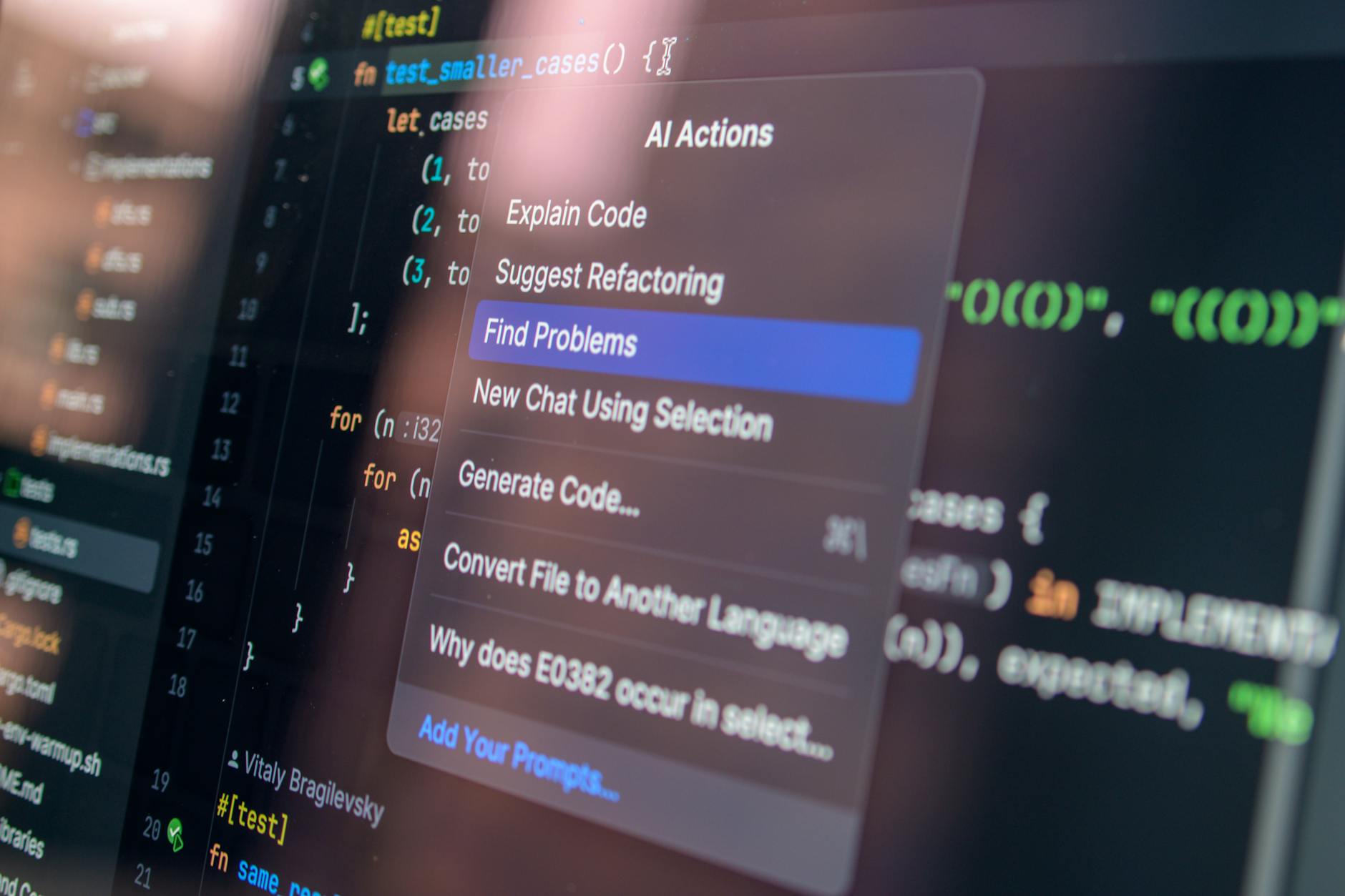
The field of AI-powered code review is rapidly evolving, with new models promising enhanced efficiency. For UK developers, understanding the comparative cost and performance of leading contenders like GPT-6 Astra and Luna is crucial. This article delves into the GPT-6 Astra vs Luna UK AI code review debate to determine the ultimate cost winner.
Introduction to GPT-6 Astra and Luna
The latest advancements in large language models are revolutionising software development, particularly in the realm of code review. GPT-6 Astra and Luna represent two significant leaps forward, each boasting unique architectures and training methodologies designed to tackle complex programming tasks. While both aim to enhance developer productivity and code quality, their underlying philosophies and deployment models differ, impacting their suitability for various use cases.
GPT-6 Astra, developed by a consortium of European research institutions, is built with a focus on robust security and compliance, making it an attractive option for organisations operating within stringent regulatory frameworks. Its architecture prioritises explainability and auditability, features highly valued in critical software development sectors prevalent in the UK. Early benchmarks suggest a strong performance in identifying common security vulnerabilities and adherence to coding standards.
Luna, on the other hand, emerges from a more commercially driven initiative, emphasising raw processing power and rapid iteration. Its development has been geared towards maximising speed and minimising latency, aiming to integrate seamlessly into fast-paced CI/CD pipelines. This focus on agility could translate to quicker feedback loops for developers, a key consideration for many UK tech firms seeking to accelerate their release cycles. For an in-depth look at the underlying technologies driving these models, one might refer to research papers detailing their respective transformer architectures and fine-tuning techniques.
Key Features for Code Review
When it comes to AI code review, the devil is truly in the details. GPT-6 Astra has been engineered with a particular emphasis on semantic understanding of code, allowing it to not only identify syntax errors but also to flag potential logical flaws and architectural anti-patterns. Its training data includes a vast corpus of secure coding practices and common exploit patterns, equipping it to provide nuanced feedback on security vulnerabilities. This makes it a compelling choice for UK companies developing financial services or critical infrastructure software.
Luna, while also capable of identifying errors, leans heavily into pattern recognition and anomaly detection. Its strength lies in its ability to swiftly scan large codebases and highlight deviations from established norms or previously identified "good" code. This can be incredibly effective for catching regressions or ensuring consistency across a project. The model's speed in processing large volumes of code is a significant advantage for continuous integration environments, allowing for near real-time feedback during development sprints.
Furthermore, the integration capabilities of these models are paramount. GPT-6 Astra offers a more modular API, allowing for customisation and integration with existing internal development tools and compliance checklists. Luna, conversely, provides a more out-of-the-box solution, designed for quick deployment within popular IDEs and version control systems. The choice between the two often hinges on whether a team prioritises deep customisation and compliance verification or rapid, broad-stroke code quality assessment. For developers interested in the technical underpinnings of these features, exploring resources on advanced static analysis techniques and AI-driven code completion would be beneficial.
Performance Comparison
In practical terms, the performance comparison between GPT-6 Astra and Luna for AI code review in the UK often boils down to accuracy versus speed. GPT-6 Astra tends to excel in identifying subtle, context-dependent bugs and security vulnerabilities that might be missed by more pattern-matching-focused models. Its ability to understand the intent behind code segments allows for more insightful suggestions, leading to fewer false positives and more actionable recommendations for developers.
Luna, however, demonstrates superior performance when it comes to sheer throughput. For large, monolithic codebases or projects with extremely frequent commits, Luna can provide initial pass reviews significantly faster than Astra. This speed can be crucial in preventing the accumulation of technical debt by flagging issues early in the development cycle, even if the feedback is initially less granular. This makes Luna a strong contender for teams prioritising rapid iteration and broad coverage.
Ultimately, the "better" performer depends on the specific needs of the UK development team. For projects demanding rigorous security audits and deep code understanding, GPT-6 Astra often proves more effective. Conversely, for teams focused on high-velocity development and ensuring basic code hygiene across vast projects, Luna’s speed offers a distinct advantage. Research into AI model evaluation metrics for code analysis provides further insight into these performance nuances.
Cost-Efficiency Analysis
When considering the cost-efficiency of GPT-6 Astra vs Luna for UK developers, several factors come into play beyond the raw subscription or API usage fees. GPT-6 Astra, with its emphasis on deep analysis and security, may command a higher per-use cost. However, its ability to catch critical vulnerabilities early can significantly reduce the long-term costs associated with security breaches, debugging complex issues, and compliance failures, which can be particularly substantial for UK businesses.
Luna, often positioned as a more accessible option, might offer a lower entry price point. Its speed and broad scanning capabilities can lead to faster initial feedback, potentially reducing the time developers spend on manual code reviews. For smaller UK development teams or startups with tighter budgets, Luna's upfront cost-effectiveness could be a deciding factor, allowing them to leverage AI code review without a significant financial outlay.
However, UK developers must also consider the total cost of ownership. If Luna's faster, less granular feedback requires more subsequent human intervention to resolve complex issues, its overall cost-efficiency might diminish. Conversely, GPT-6 Astra's higher initial cost could be offset by a reduction in critical bugs and security incidents, leading to greater savings in the long run. The choice between GPT-6 Astra vs Luna UK AI code review often requires a careful balancing act between immediate expenditure and the potential for significant future cost avoidance.