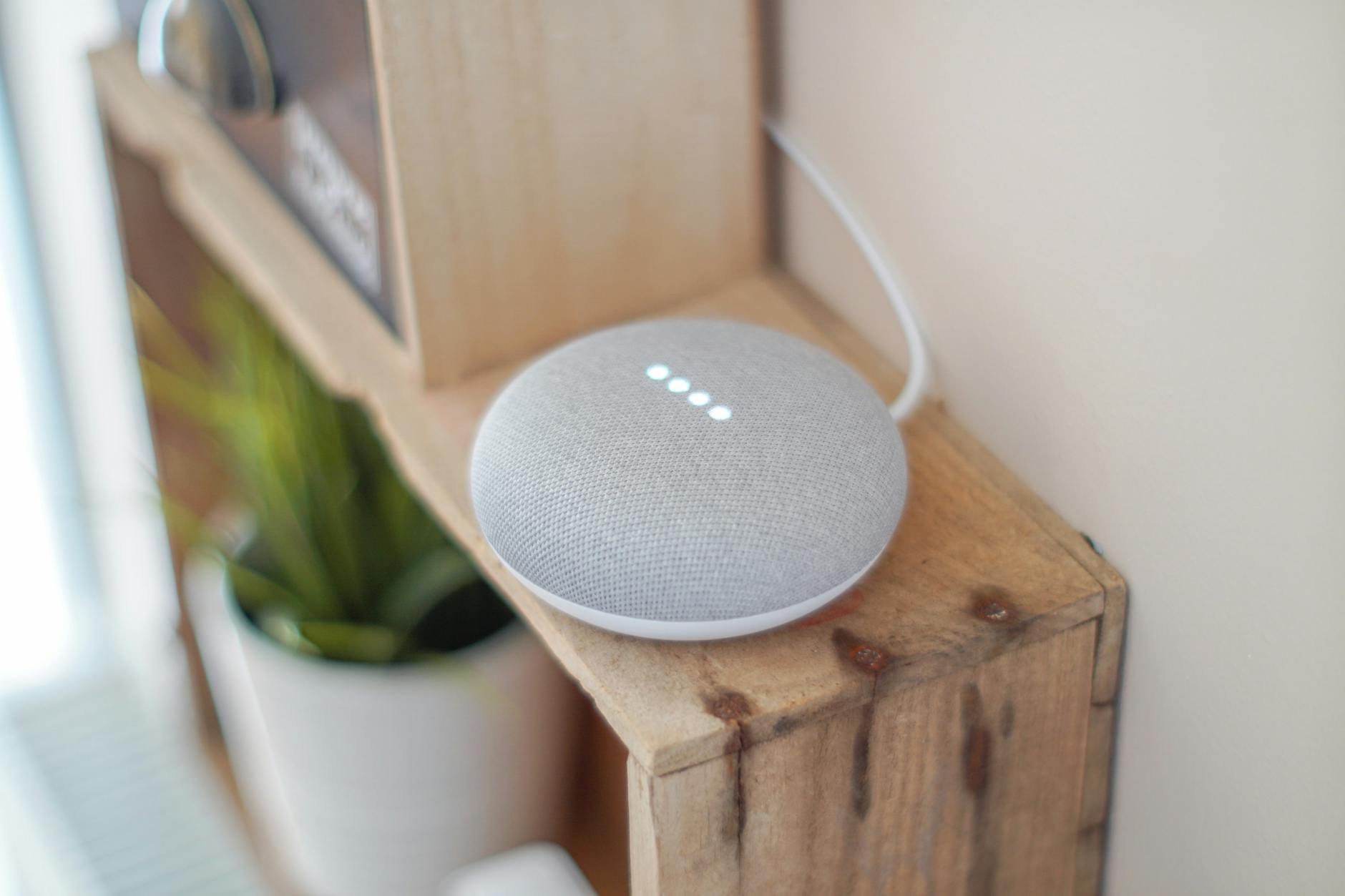
The outlook for smart homes is here, and it’s powered by AI. For UK residents looking to elevate their home automation, learning how to connect AI agents to Google Home is a crucial step.
The Rise of AI-Controlled Smart Homes
The concept of a "smart home" has evolved significantly. Initially, it meant simple voice commands to turn on lights or play music via devices like Google Home. Now, we're entering an era of truly intelligent automation, where AI agents can proactively manage your home environment. This shift is driven by advancements in natural language processing and machine learning, allowing AI to understand context, learn user preferences, and execute complex tasks without constant human input. For instance, an AI agent could learn your daily commute and automatically adjust your thermostat and lighting before you even arrive home.
This evolution is not just a fanciful notion; it's backed by market growth. The global smart home market is projected to reach over $200 billion by 2025, with a substantial portion attributed to AI-powered solutions. Companies are investing heavily in developing AI that can seamlessly integrate with existing ecosystems, making complex automation accessible to the average consumer. This means your Google Home device could soon become the central hub for a much more sophisticated and personalised home experience.
The benefits extend beyond convenience. AI smart home automation can also contribute to energy efficiency by optimising heating, cooling, and lighting based on occupancy and external weather conditions. In the UK, where energy costs can be a significant concern, this intelligent management can lead to tangible savings. Furthermore, AI can enhance security by intelligently monitoring for unusual activity and alerting homeowners, providing peace of mind. As reported by Statista, the adoption of AI in smart home devices is steadily increasing, signalling a clear trend towards more autonomous and intelligent home management systems.
Compatible AI Agents for Google Home Integration
While direct, native integration of highly advanced, standalone AI agents like ChatGPT or Claude into Google Home isn't yet a common feature, the landscape is rapidly changing. The primary method for connecting AI capabilities to Google Home currently involves leveraging platforms and services that act as intermediaries. Services like IFTTT (If This Then That) and Zapier are crucial here. These platforms allow you to create custom applets and Zaps that can trigger Google Home actions based on inputs from various AI tools or services. For example, you could set up a routine where a specific prompt to an AI chatbot triggers a "Good Morning" routine on your Google Home.
More advanced integrations are emerging through developer APIs and specialised smart home hubs. Some AI platforms are beginning to offer direct integrations or plugins that can communicate with Google Assistant. For instance, if you're using an AI assistant for task management or content creation, you might find options to link it to your Google account, which then allows it to influence your Google Home routines. This means an AI agent could potentially schedule reminders, add items to your shopping list, or even control smart lights based on its understanding of your calendar or other digital inputs. The key is to look for AI services that explicitly mention Google Assistant or Google Home compatibility in their integration options.
As AI smart home automation matures, we can expect more direct partnerships between AI developers and smart home platform providers like Google. This will likely lead to more intuitive and powerful ways to control Google Home with AI. Imagine an AI agent that can orchestrate your entire home's climate, entertainment, and security based on your mood, detected through subtle cues, or your spoken preferences. While the current setup might require a bit of technical know-how, the potential for seamless AI agents Google integration is immense and is being actively developed.
Step-by-Step Setup Guide for UK Users
To connect AI agents to Google Home UK, the most accessible method currently involves using an intermediary service like IFTTT or Zapier. First, you'll need to sign up for an account on your chosen platform. Once logged in, you’ll search for the AI service you wish to integrate (e.g., a specific AI chatbot that offers webhooks or API access) and Google Assistant. You then create a new applet or Zap. For example, you might set up an applet where "If I send a specific phrase to my AI chatbot, then turn on the living room lights via Google Home."
Next, you'll need to link your accounts. This typically involves authorising IFTTT or Zapier to access your AI service and your Google account. Follow the on-screen prompts carefully, ensuring you grant the necessary permissions for the integration to function correctly. For Google Home, this usually means allowing the service to control your smart home devices. This step is crucial for enabling the AI to send commands to your Google Home ecosystem. This UK smart home guide aims to make this process as straightforward as possible.
Finally, you'll configure the specific trigger and action. The trigger is what initiates the automation (e.g., a particular keyword or phrase sent to your AI), and the action is what happens on Google Home (e.g., "Set thermostat to 21 degrees," "Play my morning playlist," or "Turn off all lights"). Test your new automation thoroughly to ensure it works as expected. Remember to check for any UK-specific settings within your Google Home app or the AI service itself that might affect its operation.
Security and Privacy Best Practices
When integrating AI agents with your Google Home, security and privacy are paramount. Always use strong, unique passwords for all your accounts, including your Google account, your AI service account, and any intermediary platforms like IFTTT or Zapier. Enable two-factor authentication (2FA) wherever possible. This adds an extra layer of protection, ensuring that even if your password is compromised, unauthorised access to your smart home system is much harder. Review the permissions you grant to AI services and intermediary platforms regularly; only allow access to the data and functions that are absolutely necessary for the integration to work.
Be mindful of the data your AI agents collect and how it's used. Most reputable AI services will have privacy policies outlining their data handling practices. It's wise to familiarise yourself with these policies, especially in the UK where data protection regulations like GDPR are strictly enforced. Consider what personal information you're comfortable sharing with an AI agent that might then influence your smart home. For instance, if an AI is learning your habits to optimise your home, be aware of what it's learning and if you're comfortable with that level of monitoring.
For UK users, it's also important to ensure your home network itself is secure. Use a strong, encrypted Wi-Fi password (WPA2 or WPA3). Regularly update your router's firmware and consider segmenting your network if you have many smart devices. This means creating a separate Wi-Fi network for your smart home devices, which can limit the potential damage if one device is compromised. By taking these proactive steps, you can enjoy the benefits of AI smart home automation while minimising potential risks.