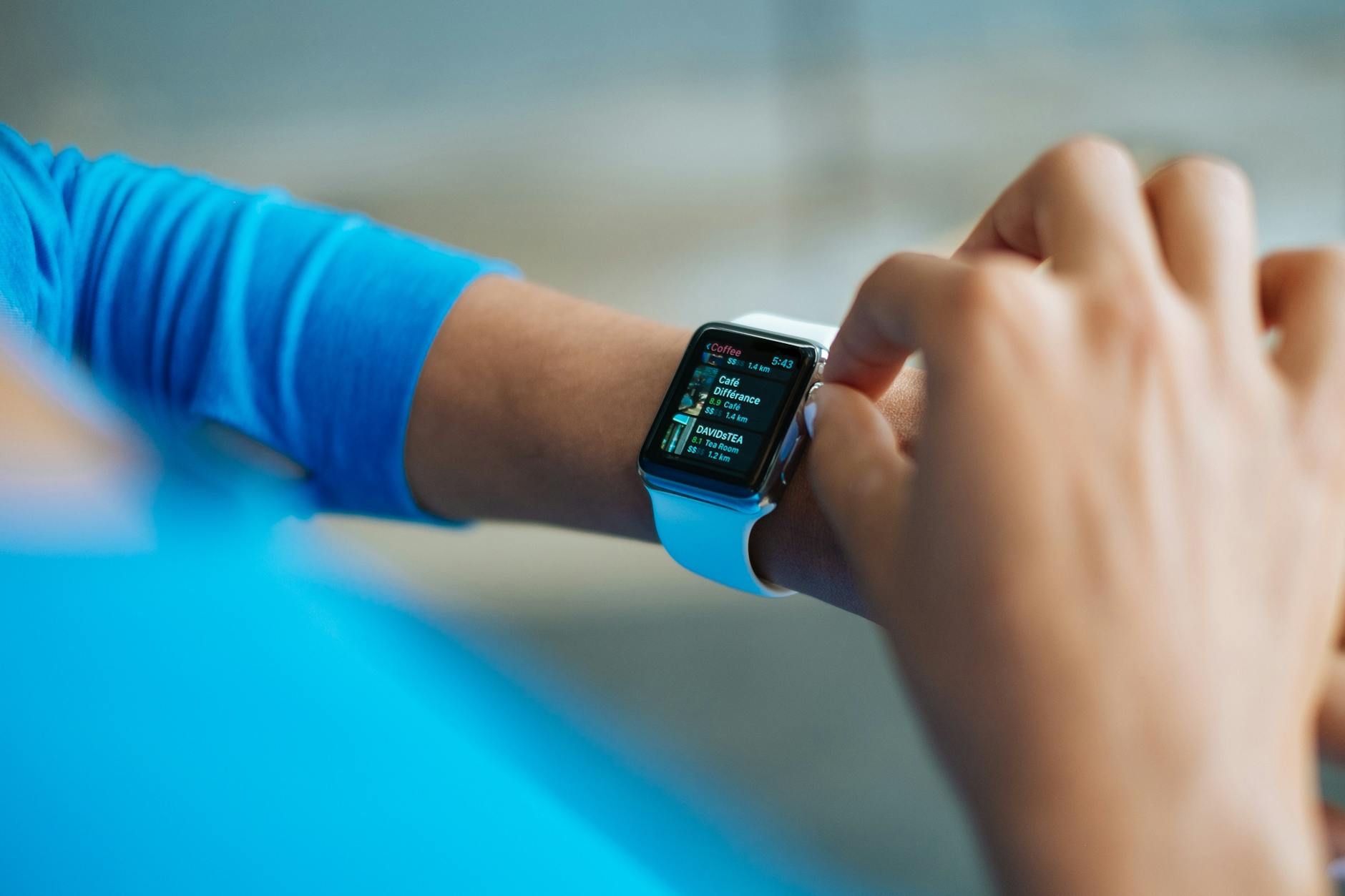
The field of personal health management in the UK is undergoing a profound transformation, driven by the rapid advancements in AI wearable health tech UK. These intelligent devices are moving beyond simple step counting, offering sophisticated insights into our well-being.
The Rise of AI in UK Health Wearables
The integration of Artificial Intelligence (AI) into wearable health devices is ushering in a new era of proactive health management for individuals across the UK. Gone are the days when smartwatches and fitness trackers were solely for monitoring physical activity. Today, AI algorithms are analysing vast amounts of biometric data – from heart rate variability and sleep patterns to blood oxygen levels and even ECG readings – to identify subtle anomalies and potential health risks long before symptoms become apparent. This shift from reactive to predictive healthcare is a significant development, empowered by the increasing sophistication of AI in processing complex physiological signals.
This evolution is particularly impactful for the UK population, which faces an ageing demographic and a growing demand for efficient healthcare solutions. AI wearable health tech UK offers a decentralised approach to monitoring, allowing individuals to gain a deeper understanding of their own bodies and share this valuable data with healthcare professionals. For instance, continuous glucose monitoring devices, enhanced with AI, can predict hypoglycaemic or hyperglycaemic events, empowering individuals with diabetes to better manage their condition and reduce the likelihood of hospital admissions. Research by organisations like the UK's National Health Service (NHS) is exploring how such technologies can be integrated to improve patient outcomes and reduce the burden on primary care services.
The accessibility of these devices is also a key driver. As the cost of advanced sensors and AI processing power decreases, more Britons can afford sophisticated personal health tracking AI. This democratisation of health technology means that a wider segment of the population can benefit from early detection and personalised health insights. The potential for AI medical devices UK to support preventative care is immense, shifting the focus from treating illness to maintaining wellness.
Beyond Fitness Trackers: Advanced Monitoring
The capabilities of modern AI wearables extend far beyond basic fitness metrics, delving into nuanced aspects of physiological and psychological health. For example, some devices now employ AI to analyse sleep architecture, distinguishing between different sleep stages (light, deep, REM) and identifying potential disruptions like sleep apnoea. This granular data can be crucial for individuals experiencing fatigue, cognitive difficulties, or other sleep-related issues, providing them with actionable insights to improve sleep quality. The UK's growing awareness of mental well-being also means that AI wearables are beginning to incorporate stress detection, analysing heart rate variability and other markers to provide real-time feedback and mindfulness prompts.
Furthermore, the advent of AI medical devices UK is bringing sophisticated diagnostic capabilities into the home. Devices capable of performing electrocardiograms (ECGs) are now commonplace, and AI algorithms can analyse these readings to detect potential arrhythmias like atrial fibrillation (AF). AF is a significant risk factor for stroke, and early detection through wearable technology can be life-saving. Similarly, advancements in blood pressure monitoring integrated with AI are offering more accurate and continuous readings, allowing for better management of hypertension. This level of continuous, personalised health data collection is unprecedented in the history of personal health tracking AI.
The potential for AI to detect early signs of chronic conditions is a major focus. For instance, subtle changes in gait patterns, detected by accelerometers and analysed by AI, could indicate the early onset of neurodegenerative diseases like Parkinson's. While still in development and requiring clinical validation, the promise of such early detection through smart health monitoring UK is immense, offering hope for earlier intervention and improved long-term outcomes for patients across the nation. The outlook for health tech UK is clearly moving towards a model where personal devices act as vigilant, intelligent health companions.
Benefits for UK Consumers and Healthcare
For UK consumers, the benefits of AI wearable health tech are manifold, offering greater autonomy and control over their health. Individuals can gain a deeper understanding of how lifestyle choices impact their well-being, enabling them to make more informed decisions about diet, exercise, and sleep. The continuous monitoring provided by these devices can also offer peace of mind, particularly for those with pre-existing conditions or a family history of certain diseases. The accessibility of personal health tracking AI empowers users to become active participants in their own healthcare journey, fostering a sense of empowerment.
From a healthcare perspective, AI wearable health tech UK presents an opportunity to alleviate pressure on the NHS. By enabling early detection and continuous remote monitoring, these devices can reduce unnecessary GP visits and hospital admissions. This proactive approach can lead to more efficient allocation of healthcare resources and improved patient outcomes. Imagine a scenario where a GP can remotely review a patient's daily heart rhythm data from their wearable, identifying a potential issue before it escalates. This seamless integration of personal data into clinical practice represents a significant step forward for smart health monitoring UK.
Moreover, the vast datasets generated by these wearables can fuel crucial medical research. By anonymising and aggregating data, researchers can gain unprecedented insights into population health trends, disease progression, and the effectiveness of various interventions. This collective intelligence, powered by AI medical devices UK, can accelerate the development of new treatments and preventative strategies, ultimately benefiting the entire UK population and shaping the outlook for health tech UK.
Navigating Data Privacy and Accuracy
As AI wearable health tech UK becomes more sophisticated, concerns around data privacy and accuracy are paramount. Users need to be assured that their sensitive health information is being handled securely and ethically. Reputable manufacturers adhere to stringent data protection regulations, such as the UK GDPR, and transparently communicate their data handling policies. It is crucial for consumers to research the privacy practices of any device they consider purchasing and to understand how their data is collected, stored, and used.
The accuracy of the data collected by wearables is also a key consideration. While consumer-grade devices have improved significantly, they are not medical-grade diagnostic tools in themselves. For critical health decisions, it is always advisable to consult with a healthcare professional who can interpret the data in the context of your overall health. Some AI medical devices UK are undergoing rigorous clinical validation to meet regulatory standards for medical devices, providing a higher level of assurance for their accuracy.
For UK users, the actionable advice is to choose devices from well-established brands with a proven track record in data security and accuracy. Familiarise yourself with the device's capabilities and limitations, and always cross-reference significant findings with your doctor. Understanding the role of personal health tracking AI as a supplementary tool, rather than a definitive diagnostic instrument, is key to harnessing its benefits responsibly.