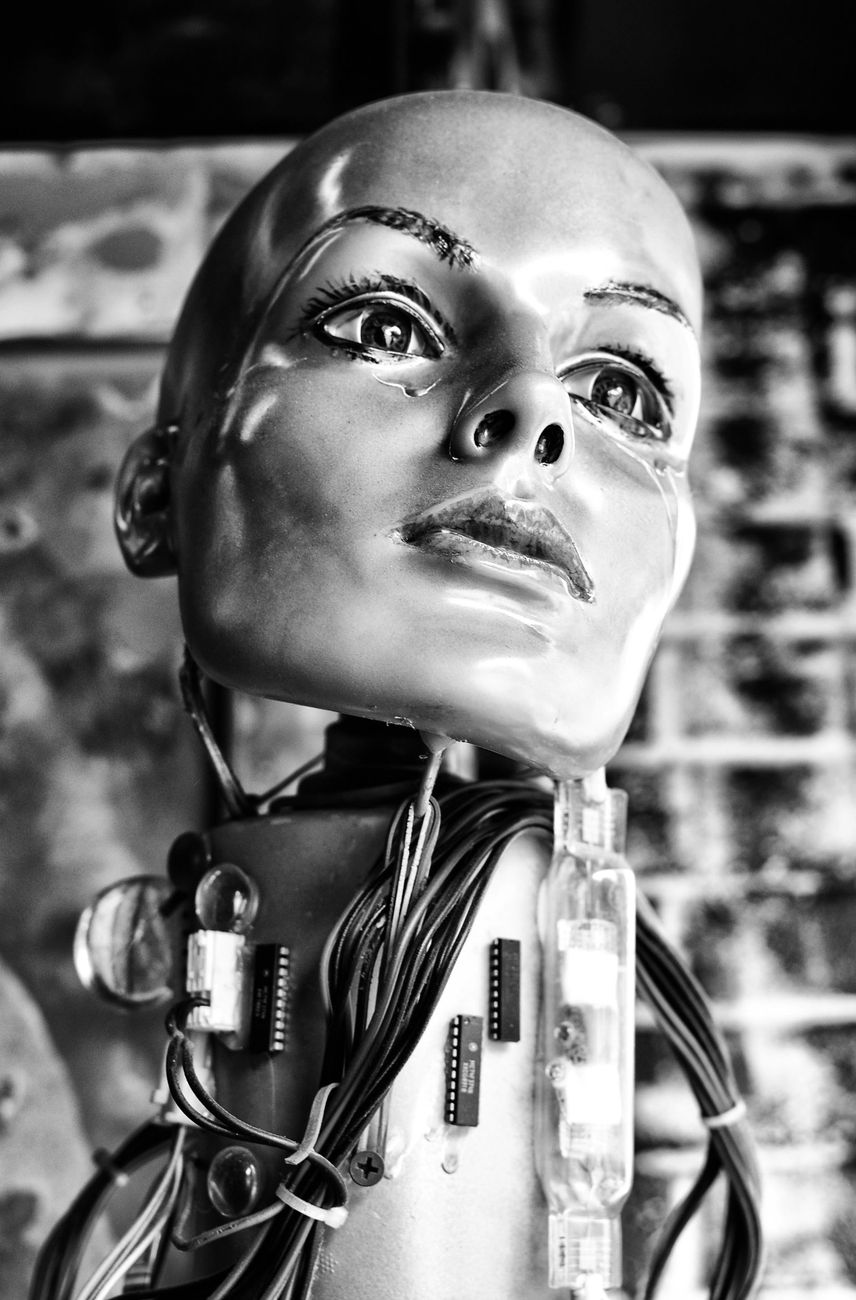
The rapid advancement of AI is sparking a critical debate about the outlook for creative expression. In the UK, a growing concern is that AI development is inadvertently, or perhaps deliberately, destroying Creative Commons, the very system designed to foster open sharing and innovation.
The Rise of AI and Creative Commons
Creative Commons (CC) licenses have revolutionised how artists, writers, and creators share their work. By offering a flexible alternative to traditional copyright, CC allows for the free distribution of works, with specific conditions set by the creator. This has fuelled a vibrant ecosystem of open-source software, educational resources, and artistic collaborations, benefiting millions worldwide and fostering significant innovation. Think of the vast libraries of freely usable images on platforms like Unsplash or the open-source code powering many of the applications we use daily – much of this is underpinned by CC principles.
The advent of powerful generative AI models, however, presents a novel challenge to this established framework. These AI systems learn by analysing enormous datasets, often scraped from the internet. While this process enables them to generate novel content, questions arise about the origin and licensing of the data used for training. Many of these datasets likely include works licensed under Creative Commons, raising concerns about whether the original creators' terms are being respected during the AI's learning phase.
The sheer scale of data ingestion by AI models is unprecedented. For instance, large language models and image generators are trained on datasets containing billions of pieces of content. While the legal implications are still being debated, the potential for AI to process and synthesise copyrighted material, including that under Creative Commons, without explicit permission or compensation for the original artists is a significant concern for the open-source and creative communities.
How AI Threatens Open Art
One of the primary threats AI poses to Creative Commons lies in the way it learns. Generative AI models are trained on vast quantities of data, often sourced indiscriminately from the internet. This data frequently includes images, text, and music licensed under Creative Commons. The core issue is that the AI is not merely "viewing" this content; it is analysing, deconstructing, and learning patterns to generate new works that can be remarkably similar to the originals. This raises questions about whether this process constitutes a derivative work or a violation of the original license terms.
Furthermore, the economic model of AI development often relies on proprietary systems that profit from the generated output. If AI models are trained on CC-licensed material without proper attribution or remuneration flowing back to the original creators, it undermines the very ethos of Creative Commons. Artists share their work under CC licenses to encourage wider use and appreciation, not to have it become the foundational material for commercial AI products that then compete with them directly, potentially without any benefit to the original artists.
The concept of "fair use" or "text and data mining" exceptions in copyright law is being tested by AI. While these exceptions might permit certain uses of copyrighted material for research or analysis, their application to large-scale commercial AI training is a contentious area. The potential for AI to flood the market with content that is stylistically or thematically similar to existing CC-licensed works, thereby devaluing the original creations, is a tangible threat to the sustainability of open art movements.
Copyright Battles in the Age of AI
The legal landscape surrounding AI and copyright is a complex and rapidly evolving battleground. Many artists and creators are finding their work being used to train AI models without their consent, leading to a surge in copyright infringement claims. The core of these disputes often revolves around whether the act of training an AI model on copyrighted material constitutes infringement, and whether the output generated by the AI can be considered a derivative work.
In the UK, copyright law is designed to protect the rights of creators. However, the unique nature of AI training – where vast datasets are processed algorithmically – presents a challenge to existing legal frameworks. Organisations like the Authors' Licensing and Collecting Society (ALCS) have been vocal in their concerns, advocating for clarity and robust protections for authors whose works are used in AI training. The debate is not just about preventing misuse but also about ensuring that the economic benefits generated by AI are shared equitably with the creators whose work makes it possible.
Recent legal challenges, though not always UK-specific, highlight the global nature of this issue. For example, ongoing lawsuits in the US against AI companies for alleged copyright infringement of training data demonstrate the widespread concern. These cases are setting precedents and will likely influence how copyright law is interpreted and applied to AI technologies worldwide, including here in the UK. The question of whether AI itself can be an "author" or whether its output is inherently derivative remains a central point of contention.
The UK's Legal Landscape for AI & Art
In the UK, the Intellectual Property Office (IPO) has been actively engaging with the issue of AI and copyright. While the UK has a robust copyright framework, the specific application to AI training data is still being clarified. The government has indicated a desire to foster AI innovation while also protecting creators' rights, a delicate balancing act. There is a recognised need to ensure that existing copyright law is understood in the context of AI, and potential legislative adjustments are being considered.
For creators in the UK, understanding their rights under current copyright law is paramount. While Creative Commons licenses offer a framework for sharing, they do not negate copyright protection. Creators should be aware of how their work might be scraped for AI training and consider the terms they agree to when publishing online. Some advocate for using watermarking or metadata to indicate licensing preferences, though the effectiveness against large-scale AI scraping is debated.
The UK's approach to AI and copyright is likely to evolve. Creators are encouraged to stay informed about policy developments and to consider joining collective licensing organisations or advocacy groups that represent their interests. The ongoing dialogue between the tech industry, legal experts, and creative communities is crucial for shaping a future where AI and open art can coexist ethically and legally.