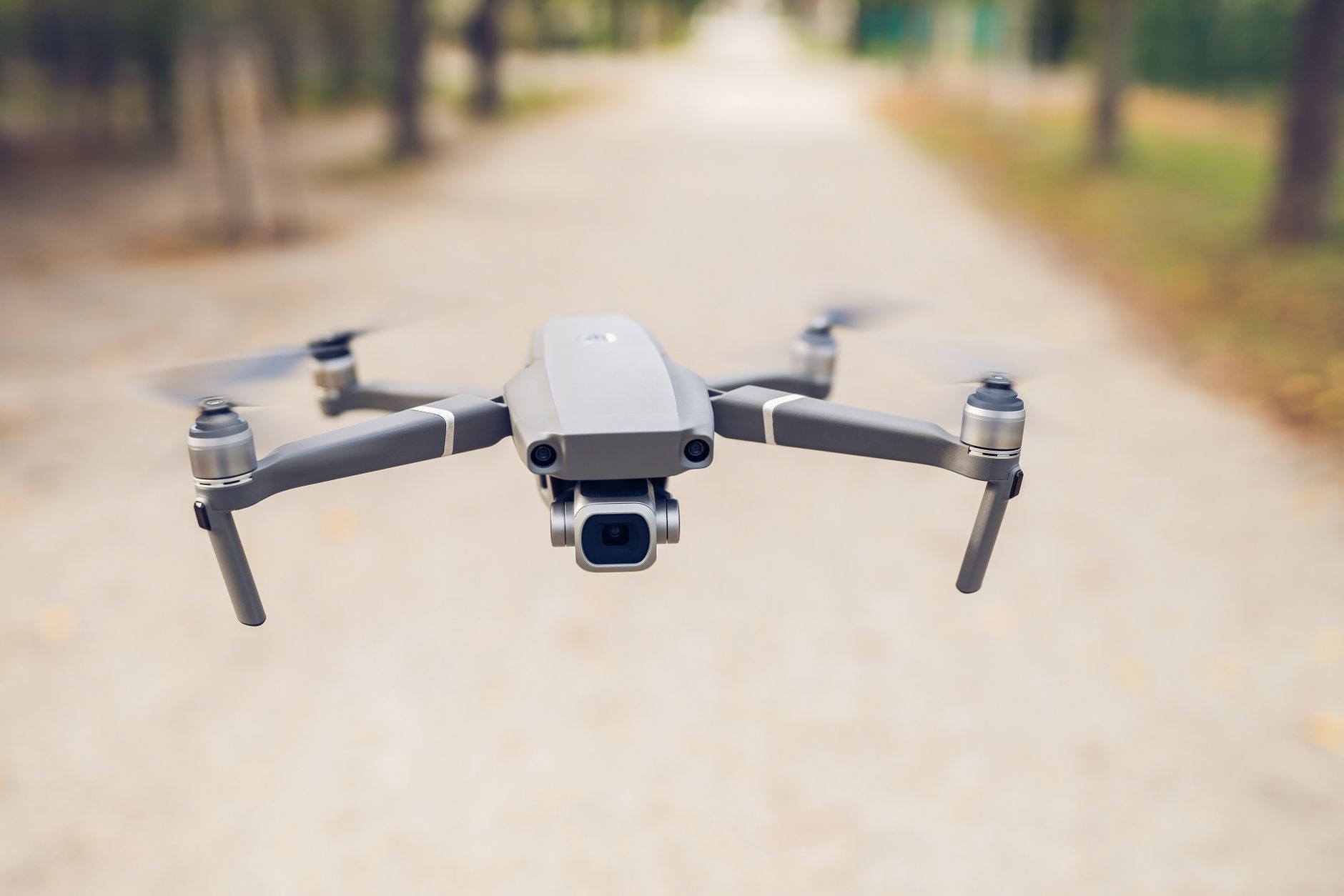
The development of autonomous drones has sparked intense debate about their potential use in warfare, with many raising concerns about the implications of AI-powered killing machines. The UK has been at the forefront of this discussion, with its defence policy makers weighing the benefits and risks of deploying UK autonomous drones. As the technology continues to advance, it is essential to understand the UK's current stance on autonomous killer drones and their potential impact on the future of warfare.
Introduction to Autonomous Drones
Autonomous drones, also known as unmanned aerial vehicles (UAVs), have been used in various military contexts for several years. However, the development of AI-powered drones has taken this technology to a new level, enabling drones to make decisions and take actions without human intervention. According to a report by the BBC, the UK's Ministry of Defence has been investing heavily in drone technology, with a focus on developing autonomous systems that can operate in complex environments.
The use of autonomous drones in warfare raises important questions about accountability and the potential for unintended consequences. A study by the University of Oxford's Future of Humanity Institute found that the development of autonomous weapons could lead to a significant increase in the risk of conflict, as well as the potential for machines to make decisions that are not in line with human values.
The development of autonomous drones is a complex issue, with many technical, ethical, and legal considerations to take into account. As the UK continues to develop its drone technology, it is essential to consider the potential implications of this technology and to ensure that it is used in a responsible and ethical manner.
For more information on the development of autonomous drones, visit the UK Government's website, which provides an overview of the current state of drone technology and the potential benefits and risks associated with its use: https://www.gov.uk/guidance/unmanned-aerial-vehicles-uavs.
The UK's Current Stance on AI-Powered Warfare
The UK's current stance on AI-powered warfare is outlined in its defence policy, which emphasizes the importance of developing and deploying autonomous systems that can operate in a variety of contexts. According to a report by the UK's Defence Science and Technology Laboratory, the development of autonomous drones is a key priority for the UK's military, with a focus on developing systems that can operate in complex and dynamic environments.
The UK's defence policy makers have also emphasized the importance of ensuring that autonomous drones are used in a responsible and ethical manner. In a speech to the UK's Royal United Services Institute, the UK's Defence Secretary emphasized the need for clear guidelines and regulations governing the use of autonomous drones, as well as the importance of ensuring that these systems are transparent and accountable.
The UK's approach to AI-powered warfare is also influenced by its membership in international organizations such as NATO, which has emphasized the importance of developing and deploying autonomous systems that are in line with international law and norms. For more information on the UK's defence policy and its approach to AI-powered warfare, visit the UK's Ministry of Defence website: https://www.gov.uk/government/organisations/ministry-of-defence.
The UK's defence policy makers are also working closely with industry partners to develop and deploy autonomous drones, with a focus on developing systems that can operate in a variety of contexts. According to a report by the UK's Defence and Security Accelerator, the development of autonomous drones is a key priority for the UK's defence industry, with many companies investing heavily in research and development.
Potential Benefits and Risks
The potential benefits of UK autonomous drones are significant, with these systems offering a range of advantages over traditional manned aircraft. According to a report by the RAND Corporation, autonomous drones can operate for longer periods of time and in more complex environments than manned aircraft, making them ideal for a range of military contexts.
However, the use of autonomous drones also raises important questions about accountability and the potential for unintended consequences. A study by the University of Cambridge found that the development of autonomous weapons could lead to a significant increase in the risk of conflict, as well as the potential for machines to make decisions that are not in line with human values.
The potential risks associated with autonomous drones are also significant, with many experts raising concerns about the potential for these systems to be used in a way that is not in line with international law and norms. For more information on the potential benefits and risks of autonomous drones, visit the website of the International Committee of the Red Cross, which provides an overview of the current state of autonomous weapons and the potential implications of their use: https://www.icrc.org/en/doc/war-and-law/weapons/autonomous-weapons.htm.
International Implications and Regulations
The development and deployment of autonomous drones has significant international implications, with many countries raising concerns about the potential for these systems to be used in a way that is not in line with international law and norms. According to a report by the United Nations, the development of autonomous weapons could lead to a significant increase in the risk of conflict, as well as the potential for machines to make decisions that are not in line with human values.
The UK is working closely with international partners to develop and deploy autonomous drones in a responsible and ethical manner. For more information on the UK's approach to international cooperation on autonomous drones, visit the website of the UK's Foreign and Commonwealth Office: https://www.gov.uk/government/organisations/foreign-commonwealth-office.
The development of autonomous drones is a complex issue, with many technical, ethical, and legal considerations to take into account. As the UK continues to develop its drone technology, it is essential to consider the potential implications of this technology and to ensure that it is used in a responsible and ethical manner.
FAQ:
Q: What are autonomous killer drones?
A: Autonomous killer drones, also known as unmanned aerial vehicles (UAVs), are drones that are capable of making decisions and taking actions without human intervention. The UK autonomous drones are a key area of focus for the UK's defence policy makers, who are working to develop and deploy these systems in a responsible and ethical manner. The development of autonomous drones raises important questions about accountability and the potential for unintended consequences.
Q: How does the UK currently use drones in warfare?
A: The UK currently uses drones in a variety of military contexts, including reconnaissance and surveillance missions. The UK's defence policy makers are also working to develop and deploy autonomous drones, which can operate in complex and dynamic environments.
Q: What are the potential benefits of AI-powered drones?
A: The potential benefits of AI-powered drones are significant, with these systems offering a range of advantages over traditional manned aircraft. Autonomous drones can operate for longer periods of time and in more complex environments than manned aircraft, making them ideal for a range of military contexts.
Q: What are the risks associated with autonomous drones?
A: The potential risks associated with autonomous drones are significant, with many experts raising concerns about the potential for these systems to be used in a way that is not in line with international law and norms. The development of autonomous drones raises important questions about accountability and the potential for unintended consequences.
Q: Are there international regulations governing the use of autonomous drones?
A: There are currently no international regulations governing the use of autonomous drones, although many countries are working to develop and deploy these systems in a responsible and ethical manner. The UK is working closely with international partners to develop and deploy autonomous drones in a way that is in line with international law and norms.
CTA: To stay up to date with the latest developments in AI and tech news, including the latest on UK autonomous drones, join our Telegram channel at https://t.me/AITechNewsUK. Our channel provides daily updates on the latest news and trends in the world of AI and tech, as well as in-depth analysis and commentary from industry experts.
RELATED:
- AI Professional Services UK 2026: https://www.aitechcodex.uk/ai-professional-services-uk-2026/
- Claude vs ChatGPT vs Gemini 2026 UK: https://www.aitechcodex.uk/claude-vs-chatgpt-vs-gemini-2026-uk/
- AI Automation UK Small Business 2026: https://www.aitechcodex.uk/ai-automation-uk-small-business-2026/