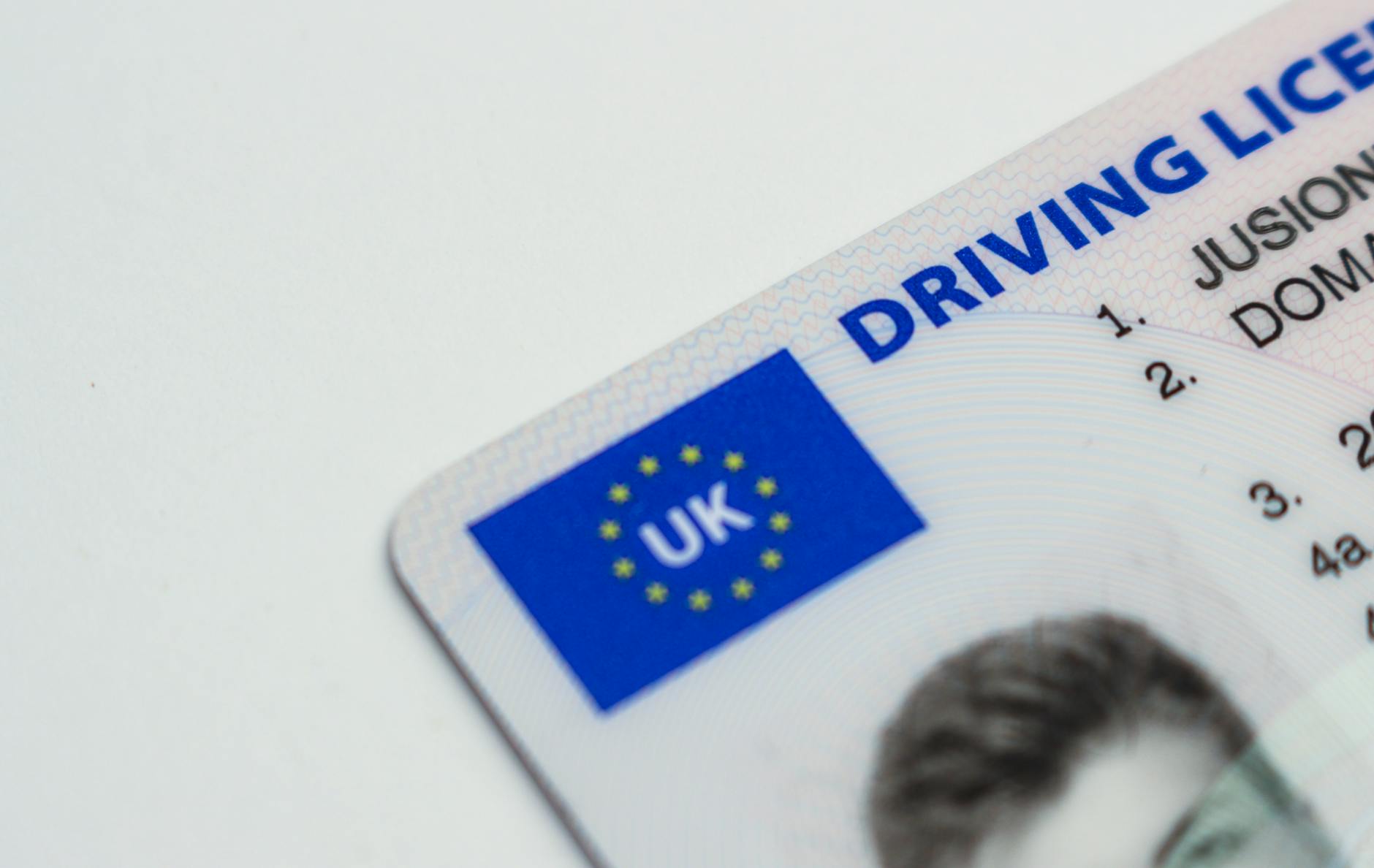
The UK age verification laws are a vital component of online safety, aiming to protect minors from accessing inappropriate content. Understanding these laws is crucial for businesses and individuals operating online, as non-compliance can result in significant fines. In this article, we will delve into the world of UK age verification laws, exploring the regulations, implementation, and best practices for compliance.
Introduction to UK Age Verification Laws
The UK age verification laws are part of a broader effort to enhance online safety and child protection. According to a report by the UK's National Crime Agency, online child exploitation has increased significantly in recent years, highlighting the need for robust age verification measures. The Age Verification Regulations 2019, which came into effect in July 2019, require commercial providers of online pornographic services to implement age verification solutions to prevent minors from accessing their content. For more information on the regulations, visit the UK Government's website at https://www.gov.uk/government/publications/online-pornography-age-verification-regulations-2019.
The laws apply to any provider of online pornographic services, including websites, apps, and social media platforms. Failure to comply with the regulations can result in significant fines, with a maximum penalty of £250,000 or 5% of the provider's turnover, whichever is greater. The UK's data protection authority, the Information Commissioner's Office (ICO), is responsible for enforcing the regulations and ensuring that providers comply with the law. The ICO provides guidance on age verification and data protection on its website at https://ico.org.uk/.
The UK age verification laws have been the subject of much debate, with some arguing that they do not go far enough to protect minors, while others claim that they infringe on individual freedoms. However, the majority of experts agree that some form of age verification is necessary to prevent minors from accessing inappropriate content online. A study by the UK's Children's Commissioner found that nearly 50% of children aged 11-17 had seen online content that they found disturbing or upsetting, highlighting the need for effective age verification measures.
The laws have also sparked concerns about data protection and privacy, with some arguing that age verification solutions could compromise individual anonymity and freedom of expression. However, the ICO has stated that age verification solutions must comply with data protection laws, including the General Data Protection Regulation (GDPR). For more information on data protection and age verification, visit the ICO's website at https://ico.org.uk/.
Understanding the Regulations
The UK age verification laws are complex and multifaceted, requiring providers of online pornographic services to implement age verification solutions that are both effective and proportionate. The regulations require providers to use a recognised age verification solution, such as a credit reference agency or a government-issued ID, to verify the age of users. The solution must be able to verify the user's age with a high degree of accuracy, taking into account factors such as the user's date of birth and address.
The regulations also require providers to ensure that their age verification solutions are secure and do not compromise individual anonymity or freedom of expression. Providers must also ensure that their solutions comply with data protection laws, including the GDPR. The ICO provides guidance on data protection and age verification on its website at https://ico.org.uk/. For more information on the regulations, visit the UK Government's website at https://www.gov.uk/government/publications/online-pornography-age-verification-regulations-2019.
The UK age verification laws have been praised for their robustness and effectiveness, with many experts arguing that they set a high standard for online safety and child protection. However, others have argued that the laws do not go far enough, and that more needs to be done to protect minors from online harm. A report by the NSPCC found that nearly 20% of children aged 11-17 had been contacted by an adult online, highlighting the need for effective age verification measures.
The laws have also sparked concerns about the impact on small businesses and startups, which may not have the resources to implement age verification solutions. However, the UK Government has stated that it will provide support and guidance to small businesses and startups to help them comply with the regulations. For more information on the support available, visit the UK Government's website at https://www.gov.uk/government/publications/online-pornography-age-verification-regulations-2019.
Implementing Age Verification Solutions
Implementing age verification solutions can be a complex and challenging process, requiring significant investment in technology and resources. However, there are many age verification solutions available that can help providers comply with the regulations. One popular solution is age verification software, which uses machine learning algorithms to verify the age of users. For more information on age verification software, visit the website of a leading provider, such as https://www.agecheckcertification.co.uk/.
Another solution is to use a recognised age verification service, such as a credit reference agency or a government-issued ID. These services can provide a high degree of accuracy and security, and are often used by providers of online pornographic services. The UK's Age Verification Providers Association (AVPA) provides a list of recognised age verification providers on its website at https://www.ageverificationproviders.co.uk/.
The key to implementing effective age verification solutions is to ensure that they are both robust and proportionate. Providers must balance the need to protect minors from online harm with the need to respect individual freedoms and anonymity. A report by the UK's Internet Watch Foundation found that nearly 70% of online pornographic content is accessed through mobile devices, highlighting the need for effective age verification measures that can be used on multiple platforms.
Ensuring Compliance and Avoiding Fines
Ensuring compliance with the UK age verification laws is crucial to avoid fines and reputational damage. Providers of online pornographic services must implement age verification solutions that are both effective and proportionate, and ensure that they comply with data protection laws. The ICO provides guidance on data protection and age verification on its website at https://ico.org.uk/.
Providers must also ensure that their age verification solutions are secure and do not compromise individual anonymity or freedom of expression. The UK Government has stated that it will take a robust approach to enforcing the regulations, and that providers who fail to comply will face significant fines. For more information on the regulations, visit the UK Government's website at https://www.gov.uk/government/publications/online-pornography-age-verification-regulations-2019.
To avoid fines and reputational damage, providers must take a proactive approach to compliance, implementing age verification solutions that are both robust and proportionate. The UK's Age Verification Providers Association (AVPA) provides guidance and support to providers on implementing age verification solutions. For more information on the AVPA, visit its website at https://www.ageverificationproviders.co.uk/.
FAQ:
Q: What are the UK age verification laws?
A: The UK age verification laws are regulations that require providers of online pornographic services to implement age verification solutions to prevent minors from accessing their content. The laws are part of a broader effort to enhance online safety and child protection, and are enforced by the UK's data protection authority, the Information Commissioner's Office (ICO). For more information on the regulations, visit the UK Government's website at https://www.gov.uk/government/publications/online-pornography-age-verification-regulations-2019.
Q: How do I comply with UK age verification laws?
A: To comply with the UK age verification laws, providers of online pornographic services must implement age verification solutions that are both effective and proportionate. This can include using age verification software, recognised age verification services, or other solutions that can verify the age of users. Providers must also ensure that their solutions comply with data protection laws, including the GDPR.
Q: What are the penalties for non-compliance?
A: The penalties for non-compliance with the UK age verification laws are significant, with a maximum fine of £250,000 or 5% of the provider's turnover, whichever is greater. Providers who fail to comply with the regulations may also face reputational damage and loss of business.
Q: Can I use AI-powered age verification solutions?
A: Yes, AI-powered age verification solutions can be used to comply with the UK age verification laws. These solutions use machine learning algorithms to verify the age of users, and can provide a high degree of accuracy and security. However, providers must ensure that their AI-powered age verification solutions comply with data protection laws, including the GDPR.
Q: How can I balance age verification with user experience?
A: Balancing age verification with user experience is crucial to ensure that age verification solutions do not compromise individual freedoms and anonymity. Providers must implement age verification solutions that are both robust and proportionate, and ensure that they do not interfere with the user experience. A report by the UK's Internet Watch Foundation found that nearly 70% of online pornographic content is accessed through mobile devices, highlighting the need for effective age verification measures that can be used on multiple platforms.
CTA: For the latest news and updates on UK age verification laws and online safety, join our Telegram channel at https://t.me/AITechNewsUK. Our channel provides daily updates on the latest developments in AI and tech, including news, reviews, and analysis.
RELATED:
- AI Professional Services UK 2026: https://www.aitechcodex.uk/ai-professional-services-uk-2026/
- Claude vs ChatGPT vs Gemini 2026 UK: https://www.aitechcodex.uk/claude-vs-chatgpt-vs-gemini-2026-uk/
- AI Automation UK Small Business 2026: https://www.aitechcodex.uk/ai-automation-uk-small-business-2026/