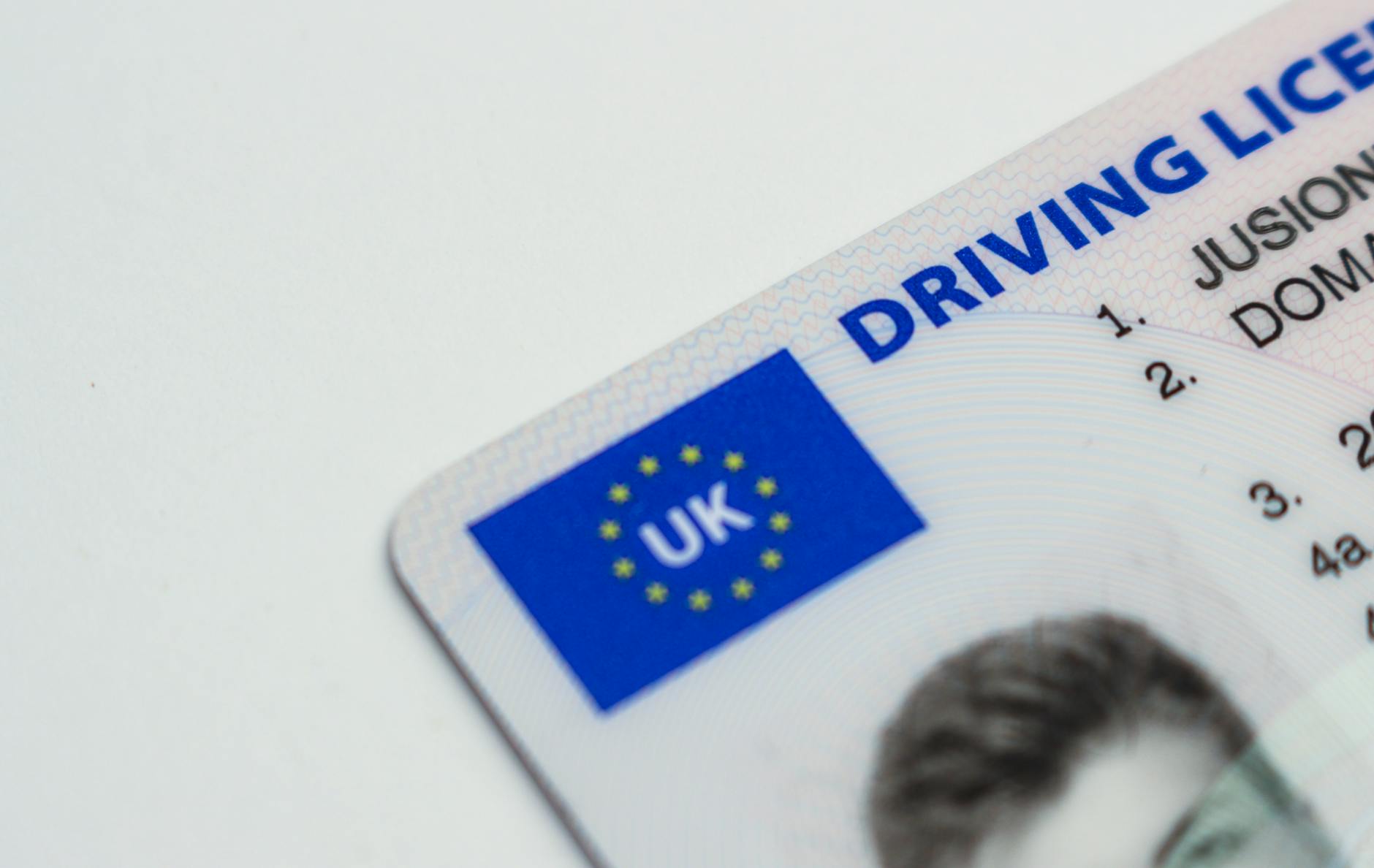
The UK age verification laws are a crucial aspect of online safety, and businesses must be aware of their obligations to protect minors from accessing age-restricted content. The UK age verification laws have undergone significant changes in recent years, making it essential for companies to stay up-to-date with the latest regulations. With the rise of online services, ensuring compliance with UK age verification laws is more critical than ever.
Introduction to UK Age Verification Laws
The UK age verification laws are designed to prevent minors from accessing age-restricted content, including online gambling, adult material, and other services that are not suitable for children. The laws are enforced by regulatory bodies such as the UK Gambling Commission and the Information Commissioner's Office. According to a report by the UK Government, the age verification laws are an essential part of the UK's online safety programme, aiming to protect children from harm. For more information on the UK Government's online safety programme, visit https://www.gov.uk/government/publications/online-safety-programme.
The UK age verification laws apply to all online services that provide age-restricted content, including online retailers, social media platforms, and gaming websites. Businesses that fail to comply with the laws may face significant fines and reputational damage. A study by the National Society for the Prevention of Cruelty to Children (NSPCC) found that many children are exposed to age-restricted content online, highlighting the need for effective age verification measures. The NSPCC provides guidance on online safety for children, which can be found at https://www.nspcc.org.uk/keeping-children-safe/online-safety.
The UK age verification laws are constantly evolving, with new regulations being introduced to address emerging issues such as deepfakes and online harassment. Businesses must stay up-to-date with the latest developments to ensure they remain compliant. The UK Government's website provides information on the latest developments in online safety, including updates on age verification laws, which can be found at https://www.gov.uk/topic/law-and-justice/online-safety.
The age verification laws in the UK are designed to be flexible, allowing businesses to choose the most effective age verification solutions for their specific needs. However, this flexibility also means that businesses must be proactive in ensuring they comply with the regulations. The UK's Information Commissioner's Office provides guidance on age verification, which can be found at https://ico.org.uk/for-organisations/guide-to-uk-gdpr/age-of-consent.
Understanding the Regulations
The UK age verification laws are based on the General Data Protection Regulation (GDPR) and the Data Protection Act 2018. These regulations require businesses to obtain explicit consent from parents or guardians before collecting personal data from children. The GDPR sets out strict rules for processing personal data, including age verification, which can be found at https://ico.org.uk/for-organisations/guide-to-uk-gdpr.
The UK age verification laws also require businesses to implement robust age verification measures to prevent minors from accessing age-restricted content. This can include using age verification solutions such as ID checks, facial recognition technology, or other methods. The UK's Advertising Standards Authority provides guidance on age verification for online advertising, which can be found at https://www.asa.org.uk/topic/age-restrictions.html.
The regulations are enforced by regulatory bodies such as the UK Gambling Commission and the Information Commissioner's Office. These bodies have the power to impose significant fines on businesses that fail to comply with the regulations. The UK Gambling Commission provides information on its enforcement powers, which can be found at https://www.gamblingcommission.gov.uk/about-us/enforcement.
Businesses must also ensure they comply with the UK's age verification laws when providing services to customers in other countries. This can be complex, as different countries have different age verification laws and regulations. The UK Government's website provides information on international online safety, including guidance on age verification, which can be found at https://www.gov.uk/government/publications/online-safety-international.
Implementing Age Verification Solutions
Implementing effective age verification solutions is crucial for businesses that provide age-restricted content. This can include using ID checks, facial recognition technology, or other methods to verify the age of customers. The UK's Age Check Certification Scheme provides a framework for businesses to demonstrate their compliance with age verification laws, which can be found at https://www.agecheckcertification.co.uk.
Age verification solutions can be provided by third-party vendors or developed in-house. Businesses must ensure that any age verification solution they use is robust, reliable, and compliant with the regulations. The UK's National Cyber Security Centre provides guidance on implementing age verification solutions, which can be found at https://www.ncsc.gov.uk/guidance/age-verification.
The cost of implementing age verification solutions can vary depending on the method used and the size of the business. However, the cost of non-compliance can be much higher, with businesses facing significant fines and reputational damage. The UK's Federation of Small Businesses provides guidance on implementing age verification solutions for small businesses, which can be found at https://www.fsb.org.uk/policyassets/age-verification-guidance.pdf.
Best Practices for Compliance
To ensure compliance with the UK age verification laws, businesses must implement robust age verification measures and ensure they have the necessary policies and procedures in place. This can include providing training for staff, conducting regular audits, and monitoring customer feedback. The UK's Chartered Trading Standards Institute provides guidance on implementing effective age verification measures, which can be found at https://www.tradingstandards.uk.
Businesses must also ensure they comply with the regulations when providing services to customers in other countries. This can be complex, as different countries have different age verification laws and regulations. The UK Government's website provides information on international online safety, including guidance on age verification, which can be found at https://www.gov.uk/government/publications/online-safety-international.
The UK age verification laws are designed to protect children from harm, and businesses have a critical role to play in ensuring compliance. By implementing effective age verification measures and staying up-to-date with the latest regulations, businesses can help create a safer online environment for everyone. The UK's Internet Watch Foundation provides guidance on online safety, including age verification, which can be found at https://www.iwf.org.uk.
FAQ:
Q: What are the UK age verification laws?
A: The UK age verification laws are designed to prevent minors from accessing age-restricted content, including online gambling, adult material, and other services that are not suitable for children. The laws require businesses to implement robust age verification measures to verify the age of customers. For more information on the UK age verification laws, visit https://www.gov.uk/topic/law-and-justice/online-safety.
Q: How do I comply with the regulations?
A: To comply with the regulations, businesses must implement effective age verification measures, such as ID checks or facial recognition technology, and ensure they have the necessary policies and procedures in place. Businesses must also provide training for staff, conduct regular audits, and monitor customer feedback. The UK's Information Commissioner's Office provides guidance on age verification, which can be found at https://ico.org.uk/for-organisations/guide-to-uk-gdpr/age-of-consent.
Q: What are the penalties for non-compliance?
A: The penalties for non-compliance with the UK age verification laws can be significant, including fines of up to £17 million or 4% of global turnover. Businesses may also face reputational damage and loss of customer trust. The UK's Regulatory Policy Committee provides information on the penalties for non-compliance, which can be found at https://www.gov.uk/government/organisations/regulatory-policy-committee.
Q: Can I use AI for age verification?
A: Yes, AI can be used for age verification, but businesses must ensure that any AI-powered age verification solution they use is robust, reliable, and compliant with the regulations. The UK's National Cyber Security Centre provides guidance on implementing AI-powered age verification solutions, which can be found at https://www.ncsc.gov.uk/guidance/age-verification.
Q: How do I choose the right age verification solution?
A: To choose the right age verification solution, businesses must consider their specific needs and the level of risk associated with their services. Businesses must also ensure that any age verification solution they use is compliant with the regulations and provides a good user experience. The UK's Age Check Certification Scheme provides a framework for businesses to demonstrate their compliance with age verification laws, which can be found at https://www.agecheckcertification.co.uk.
CTA: For the latest news and updates on UK age verification laws and online safety, join our Telegram channel at https://t.me/AITechNewsUK. Our channel provides daily updates on AI and tech news, including the latest developments in age verification and online safety.
RELATED:
- Age Verification for Online Retailers: A Guide to Compliance: https://www.aitechcodex.uk/age-verification-for-online-retailers-uk-2026/
- The Future of Age Verification: Emerging Trends and Technologies: https://www.aitechcodex.uk/the-future-of-age-verification-uk-2026/
- Online Safety for Children: A Guide for Parents and Carers: https://www.aitechcodex.uk/online-safety-for-children-uk-2026/