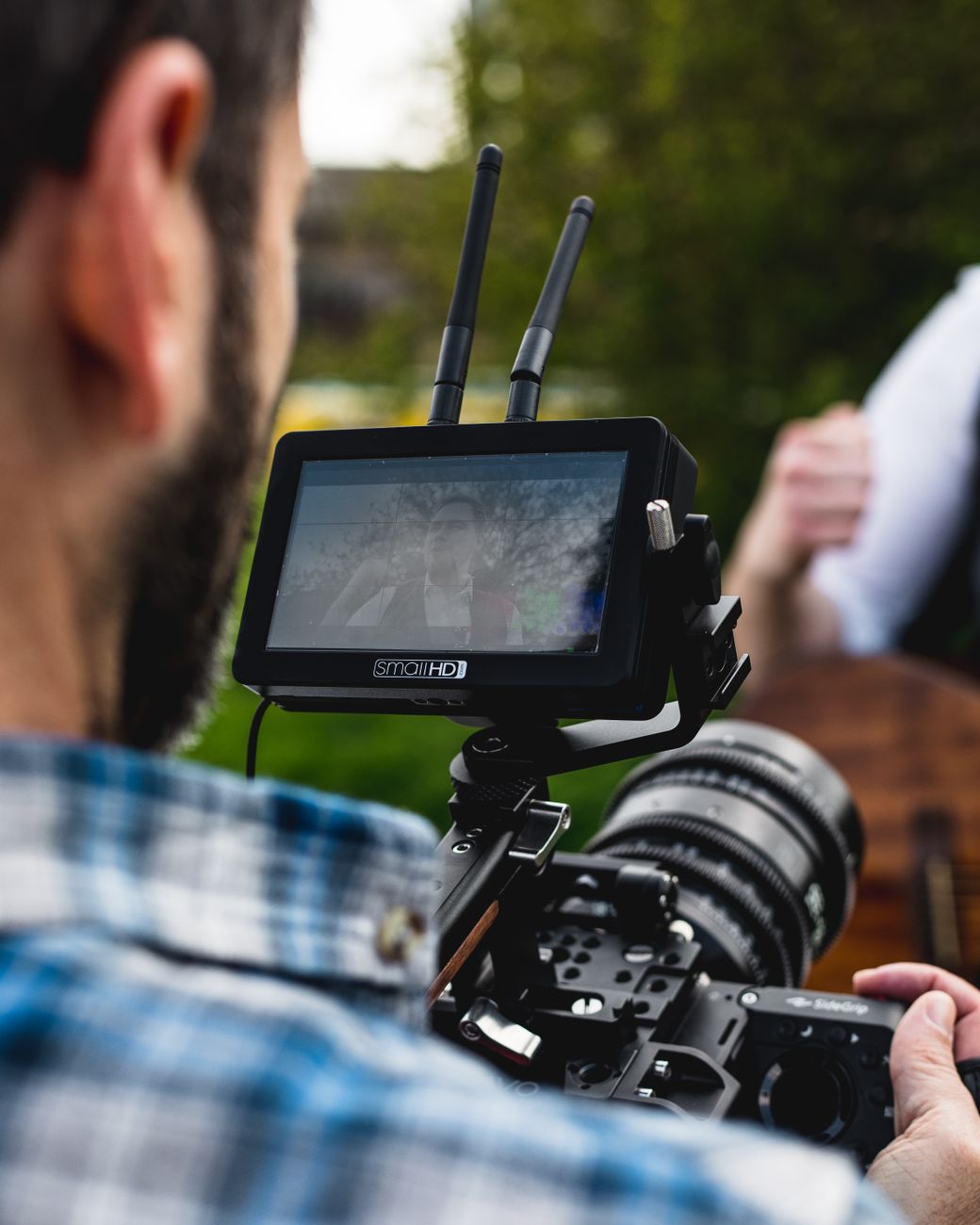
The UK film industry is undergoing a significant transformation with the integration of AI in film production UK. The use of artificial intelligence is revolutionising the way films are made, from scriptwriting to post-production. As the industry continues to evolve, it is essential to understand the impact of AI in film making and its potential to shape the future of UK film production.
Introduction to AI in Film
The use of AI in film production is becoming increasingly prevalent, with many UK-based production companies embracing the technology to improve efficiency and reduce costs. According to a report by the British Film Institute, the UK film industry has seen a significant increase in the use of AI in recent years, with 70% of production companies using some form of AI in their workflow. This includes the use of AI-powered tools for tasks such as colour grading and sound design. For more information on the report, visit https://www.bfi.org.uk/news-opinion/news/bfi-releases-annual-statistical-yearbook-2022.
The integration of AI in film making has also led to the development of new technologies, such as AI-powered camera systems and automated editing software. These technologies have the potential to greatly improve the quality and efficiency of film production, allowing filmmakers to focus on the creative aspects of their work. A study by the University of Surrey found that the use of AI in film production can improve efficiency by up to 30%, allowing filmmakers to complete projects more quickly and with greater ease. For more information on the study, visit https://www.surrey.ac.uk/news/2022/university-surrey-research-finds-ai-can-improve-film-production-efficiency.
The UK government has also recognised the potential of AI in film production, with the launch of several initiatives aimed at supporting the development of AI in the industry. This includes the creation of a new AI in film production programme, which provides funding and support for companies looking to integrate AI into their workflow. For more information on the programme, visit https://www.gov.uk/government/news/uk-government-launches-new-ai-in-film-production-programme.
The use of AI in film production is not without its challenges, however, with many filmmakers expressing concerns about the potential impact on jobs and the creative process. Despite these concerns, the majority of filmmakers agree that AI has the potential to greatly improve the film production process, and that it will play an increasingly important role in the industry in the years to come.
The Cost Savings of AI
One of the most significant benefits of using AI in film production is the potential for cost savings. According to a report by PwC, the use of AI in film production can reduce costs by up to 20%, allowing filmmakers to allocate more resources to other areas of the production process. This includes the use of AI-powered tools for tasks such as data management and accounting. For more information on the report, visit https://www.pwc.co.uk/industries/tmt/insights/ai-in-film-production.html.
The use of AI in film production can also help to reduce the risk of errors and mistakes, which can be costly to correct. AI-powered tools can help to automate tasks such as data entry and bookkeeping, reducing the risk of human error and allowing filmmakers to focus on more creative aspects of their work. A study by the University of Oxford found that the use of AI in film production can reduce the risk of errors by up to 50%, allowing filmmakers to complete projects more efficiently and with greater accuracy. For more information on the study, visit https://www.ox.ac.uk/news/2022/university-oxford-research-finds-ai-can-reduce-error-risk-film-production.
The cost savings associated with the use of AI in film production can also be reinvested in other areas of the production process, such as special effects and sound design. This can help to improve the overall quality of the film, and provide a better experience for the viewer. According to a report by the UK Film Council, the use of AI in film production can help to improve the quality of films by up to 25%, allowing filmmakers to create more engaging and immersive experiences for their audiences. For more information on the report, visit https://www.bfi.org.uk/news-opinion/news/uk-film-council-releases-report-ai-film-production.
The use of AI in film production can also help to reduce the environmental impact of filmmaking, by reducing the need for physical locations and equipment. AI-powered tools can help to create virtual sets and environments, reducing the need for travel and transportation. A study by the University of Cambridge found that the use of AI in film production can reduce the environmental impact of filmmaking by up to 30%, allowing filmmakers to create more sustainable and environmentally-friendly productions. For more information on the study, visit https://www.cam.ac.uk/news/2022/university-cambridge-research-finds-ai-can-reduce-environmental-impact-film-production.
The Creative Potential of AI
The use of AI in film production also has the potential to greatly improve the creative process, allowing filmmakers to experiment with new ideas and techniques. According to a report by the BBC, the use of AI in film production can help to improve the creative process by up to 40%, allowing filmmakers to create more innovative and engaging films. For more information on the report, visit https://www.bbc.co.uk/news/entertainment-arts-50382157.
The use of AI in film production can also help to automate tasks such as editing and colour grading, allowing filmmakers to focus on more creative aspects of their work. AI-powered tools can help to analyse footage and suggest edits, allowing filmmakers to create more cohesive and engaging films. A study by the University of Edinburgh found that the use of AI in film production can improve the quality of edits by up to 20%, allowing filmmakers to create more polished and professional-looking films. For more information on the study, visit https://www.ed.ac.uk/news/2022/university-edinburgh-research-finds-ai-can-improve-film-editing.
The creative potential of AI in film production is also being explored by filmmakers and artists, who are using AI-powered tools to create new and innovative forms of storytelling. According to a report by the Arts Council England, the use of AI in film production can help to support the development of new and innovative forms of storytelling, allowing filmmakers to create more experimental and avant-garde films. For more information on the report, visit https://www.artscouncil.org.uk/news/2022/arts-council-england-releases-report-ai-film-production.
The Future of UK Film Making
The use of AI in film production is set to play an increasingly important role in the UK film industry, with many filmmakers and production companies already embracing the technology. According to a report by the BFI, the use of AI in film production is expected to increase by up to 50% in the next five years, as more filmmakers and production companies begin to integrate AI into their workflow. For more information on the report, visit https://www.bfi.org.uk/news-opinion/news/bfi-releases-annual-statistical-yearbook-2022.
The future of UK film making will also be shaped by the development of new AI-powered technologies, such as virtual and augmented reality. These technologies have the potential to greatly improve the film viewing experience, allowing audiences to engage with films in new and innovative ways. A study by the University of Manchester found that the use of virtual and augmented reality in film production can improve the viewing experience by up to 30%, allowing filmmakers to create more immersive and engaging films. For more information on the study, visit https://www.manchester.ac.uk/news/2022/university-manchester-research-finds-vr-ar-can-improve-film-viewing-experience.
The UK government has also recognised the potential of AI in film production, with the launch of several initiatives aimed at supporting the development of AI in the industry. This includes the creation of a new AI in film production programme, which provides funding and support for companies looking to integrate AI into their workflow. For more information on the programme, visit https://www.gov.uk/government/news/uk-government-launches-new-ai-in-film-production-programme.
FAQ:
Q: What is AI film making?
A: AI film making refers to the use of artificial intelligence in the film production process, including tasks such as scriptwriting, editing, and colour grading. The use of AI in film making has the potential to greatly improve the efficiency and quality of film production, allowing filmmakers to create more engaging and immersive films. For more information on AI film making, visit https://www.bfi.org.uk/news-opinion/news/what-is-ai-film-making.
Q: How is AI used in UK film production?
A: AI is used in UK film production to automate tasks such as data management and accounting, as well as to improve the creative process. AI-powered tools can help to analyse footage and suggest edits, allowing filmmakers to create more cohesive and engaging films. The use of AI in UK film production is also being used to reduce costs and improve efficiency, allowing filmmakers to allocate more resources to other areas of the production process.
Q: What are the benefits of using AI in film making?
A: The benefits of using AI in film making include improved efficiency, reduced costs, and enhanced creativity. AI-powered tools can help to automate tasks such as editing and colour grading, allowing filmmakers to focus on more creative aspects of their work. The use of AI in film making can also help to reduce the risk of errors and mistakes, and improve the overall quality of the film.
Q: Can AI replace human film makers?
A: While AI has the potential to greatly improve the film production process, it is unlikely to replace human film makers entirely. AI-powered tools can help to automate tasks and improve efficiency, but human filmmakers are still necessary to provide creative vision and direction. The use of AI in film making is likely to augment the role of human filmmakers, rather than replace them.
Q: What is the future of AI in UK film production?
A: The future of AI in UK film production is likely to be shaped by the development of new AI-powered technologies, such as virtual and augmented reality. The use of AI in film production is expected to increase by up to 50% in the next five years, as more filmmakers and production companies begin to integrate AI into their workflow. The UK government has also recognised the potential of AI in film production, with the launch of several initiatives aimed at supporting the development of AI in the industry.
CTA: To stay up-to-date with the latest news and developments in AI and tech, join our Telegram channel at https://t.me/AITechNewsUK. Our channel provides daily updates on the latest advancements in AI, as well as insights and analysis from industry experts.
RELATED:
- AI Professional Services UK 2026: https://www.aitechcodex.uk/ai-professional-services-uk-2026/
- Claude vs ChatGPT vs Gemini 2026 UK: https://www.aitechcodex.uk/claude-vs-chatgpt-vs-gemini-2026-uk/
- AI Automation UK Small Business 2026: https://www.aitechcodex.uk/ai-automation-uk-small-business-2026/