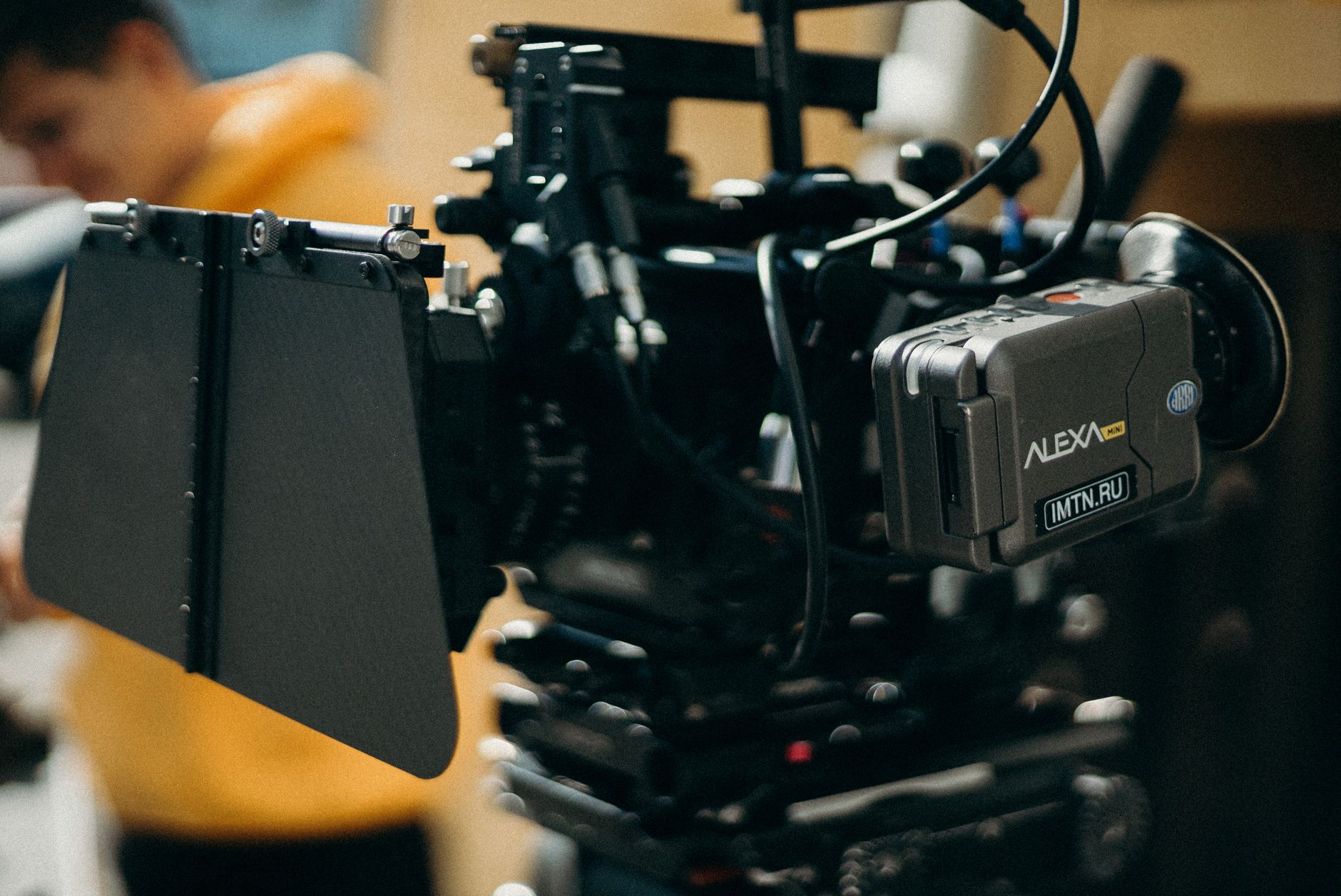
The UK film industry is embracing AI film making UK, a revolutionary approach to low-budget film production that leverages artificial intelligence to streamline processes and enhance creativity. With the rise of independent film making, AI-powered film making is becoming an essential tool for producers and directors seeking to create high-quality, low-budget films. By harnessing the power of AI, filmmakers can reduce costs, increase efficiency, and push the boundaries of storytelling.
Introduction to AI Film Making
The UK film industry has witnessed significant growth in recent years, with many independent filmmakers turning to AI film making UK to produce low-budget films. According to a report by the British Film Institute, the UK film industry generated £1.97 billion in 2020, with independent films accounting for a significant proportion of this revenue. AI film making UK is transforming the way films are produced, with many filmmakers using AI-powered tools to scriptwriting, storyboarding, and editing. For example, the AI-powered screenwriting tool, Scriptbook, uses machine learning algorithms to analyse scripts and provide feedback on character development, plot structure, and dialogue.
A study by the University of Surrey found that AI-powered film making can reduce production costs by up to 30%, making it an attractive option for low-budget filmmakers. The study also highlighted the potential of AI-powered film making to increase efficiency and productivity, allowing filmmakers to focus on the creative aspects of film production.
The UK government has also recognised the potential of AI film making UK, with the Department for Digital, Culture, Media and Sport providing funding for initiatives that support the development of AI-powered film making technologies. For instance, the UK's Creative Industries Council has launched a programme to support the development of AI-powered film making tools and technologies, with the aim of establishing the UK as a global centre for AI film making.
Furthermore, the use of AI in film making is not limited to production, as it can also be used in film distribution and marketing. According to a report by the market research firm, ResearchAndMarkets, the global AI in film making market is expected to grow to $1.4 billion by 2025, driven by the increasing adoption of AI-powered film making tools and technologies.
How to Use AI in Pre-Production
AI film making UK can be used in various stages of film production, including pre-production, production, and post-production. In pre-production, AI-powered tools can be used for scriptwriting, storyboarding, and location scouting. For example, the AI-powered scriptwriting tool, Slated, uses machine learning algorithms to analyse scripts and provide feedback on character development, plot structure, and dialogue.
According to an article by The Guardian, AI-powered scriptwriting tools can help filmmakers to identify potential flaws in their scripts and provide suggestions for improvement. The article also highlighted the potential of AI-powered scriptwriting tools to increase diversity and representation in film, by analysing scripts and providing feedback on character development and representation.
The use of AI in pre-production can also help filmmakers to save time and reduce costs. For instance, AI-powered location scouting tools can help filmmakers to find suitable locations for their films, reducing the need for physical location scouting.
Moreover, AI-powered pre-production tools can also be used to create virtual sets and characters, allowing filmmakers to test and refine their ideas before moving to production. For example, the AI-powered pre-production tool, Previs, uses machine learning algorithms to create virtual sets and characters, allowing filmmakers to test and refine their ideas in a virtual environment.
AI-Powered Editing and Visual Effects
AI film making UK can also be used in post-production, including editing and visual effects. AI-powered editing tools can help filmmakers to automate the editing process, reducing the time and cost associated with manual editing. For example, the AI-powered editing tool, Luma, uses machine learning algorithms to analyse footage and provide suggestions for editing.
According to an article by the BBC, AI-powered editing tools can help filmmakers to create more engaging and immersive films, by analysing footage and providing suggestions for editing and visual effects. The article also highlighted the potential of AI-powered editing tools to increase accessibility and diversity in film, by providing tools and technologies that can be used by filmmakers with disabilities.
The use of AI in visual effects can also help filmmakers to create realistic and engaging visual effects, without the need for expensive hardware and software. For instance, the AI-powered visual effects tool, Renderforest, uses machine learning algorithms to create realistic and engaging visual effects, such as explosions, fire, and water.
Furthermore, AI-powered visual effects tools can also be used to create virtual characters and environments, allowing filmmakers to create immersive and engaging films without the need for physical sets and characters.
Distribution and Marketing Strategies
Once a film is complete, the next step is to distribute and market it to audiences. AI film making UK can also be used in film distribution and marketing, including social media marketing, email marketing, and targeted advertising. For example, the AI-powered marketing tool, Adext, uses machine learning algorithms to analyse audience data and provide suggestions for targeted advertising.
According to a report by the market research firm, IBISWorld, the UK film distribution and marketing industry is expected to grow to £1.3 billion by 2025, driven by the increasing adoption of AI-powered marketing tools and technologies. The report also highlighted the potential of AI-powered marketing tools to increase efficiency and productivity, allowing filmmakers to focus on the creative aspects of film marketing.
The use of AI in film distribution and marketing can also help filmmakers to increase their reach and engagement, by providing tools and technologies that can be used to analyse audience data and provide suggestions for targeted marketing. For instance, the AI-powered marketing tool, Hootsuite, uses machine learning algorithms to analyse social media data and provide suggestions for social media marketing.
Moreover, AI-powered distribution and marketing tools can also be used to create personalised marketing campaigns, allowing filmmakers to tailor their marketing efforts to specific audiences and demographics.
FAQ:
Q: What is AI film making?
A: AI film making UK refers to the use of artificial intelligence in film production, including pre-production, production, and post-production. AI film making UK can be used to automate tasks, enhance creativity, and reduce costs. For example, AI-powered scriptwriting tools can help filmmakers to write and refine their scripts, while AI-powered editing tools can help filmmakers to automate the editing process.
Q: How can I use AI in my film production?
A: There are many ways to use AI in film production, including scriptwriting, storyboarding, location scouting, editing, and visual effects. AI-powered tools can be used to automate tasks, enhance creativity, and reduce costs. For instance, AI-powered scriptwriting tools can help filmmakers to write and refine their scripts, while AI-powered editing tools can help filmmakers to automate the editing process.
Q: What are the benefits of using AI in film making?
A: The benefits of using AI in film making include increased efficiency, reduced costs, and enhanced creativity. AI film making UK can help filmmakers to automate tasks, freeing up time and resources to focus on the creative aspects of film production. According to a report by the University of Surrey, AI-powered film making can reduce production costs by up to 30%, making it an attractive option for low-budget filmmakers.
Q: Can I use AI to edit my film?
A: Yes, AI-powered editing tools can be used to automate the editing process, reducing the time and cost associated with manual editing. AI-powered editing tools can analyse footage and provide suggestions for editing, allowing filmmakers to create more engaging and immersive films. For example, the AI-powered editing tool, Luma, uses machine learning algorithms to analyse footage and provide suggestions for editing.
Q: How do I distribute and market my AI-made film in the UK?
A: There are many ways to distribute and market an AI-made film in the UK, including social media marketing, email marketing, and targeted advertising. AI-powered marketing tools can be used to analyse audience data and provide suggestions for targeted marketing. For instance, the AI-powered marketing tool, Adext, uses machine learning algorithms to analyse audience data and provide suggestions for targeted advertising.
CTA: To stay up-to-date with the latest developments in AI film making UK, join our Telegram channel at https://t.me/AITechNewsUK for daily AI and tech news. Our channel provides the latest news, insights, and analysis on AI film making UK, as well as other emerging technologies.
RELATED:
- AI Professional Services UK 2026: https://www.aitechcodex.uk/ai-professional-services-uk-2026/
- Claude vs ChatGPT vs Gemini 2026 UK: https://www.aitechcodex.uk/claude-vs-chatgpt-vs-gemini-2026-uk/
- AI Automation UK Small Business 2026: https://www.aitechcodex.uk/ai-automation-uk-small-business-2026/